Pickled Rhubarb Heaven: A tangy twist for your pantry!
It was a bright spring morning when my grandmother opened the door of her tiny kitchen, welcoming the sweet, earthy smell of rhubarb pie simmering on the stove. Little did I know that this humble vegetable would become the star of a cherished family tradition: my grandmother’s pickled rhubarb recipe. Fast forward years later, when I finished my first solo canning project with a splash of nostalgia and a lot of excitement. The crisp, tart tang of pickled rhubarb immediately transported me back to those fragrant memories.
What makes this Pickled Rhubarb Recipe so special? It’s not just about the flavor (though let me tell you, it’s phenomenal!). It’s about that satisfying crunch, the balance of sweetness and tartness, and the countless ways to enjoy it alongside meals. Plus, it’s easier than you might think! This recipe elevates the humble rhubarb into a pantry staple you’ll reach for again and again. Get ready to fill your jars with love, laughter, and a touch of nostalgia.
By the end of this post, you’ll not only master the art of pickling but also have a delightful treat to relive those cherished memories and share new ones with your loved ones!
What Are Pickled Rhubarb?
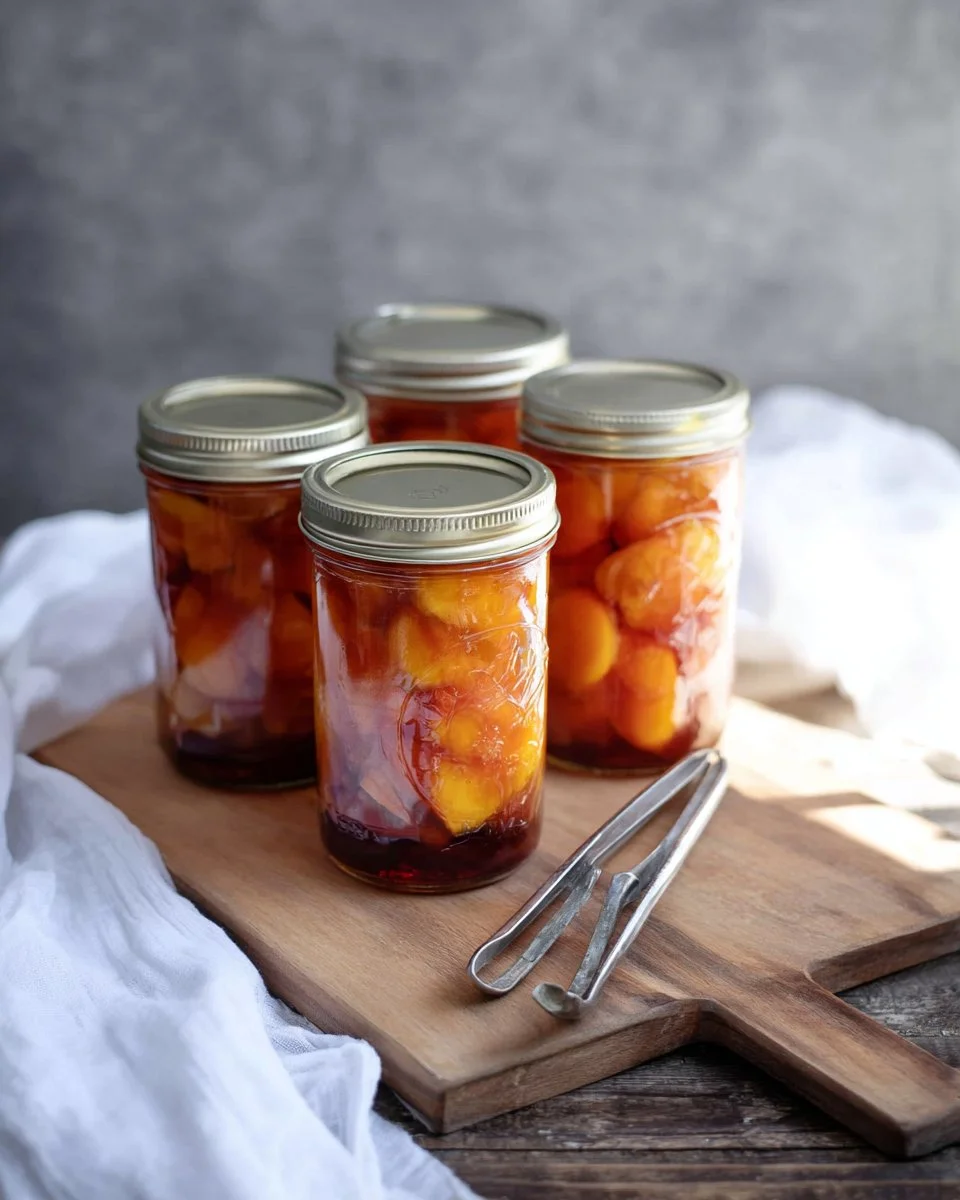
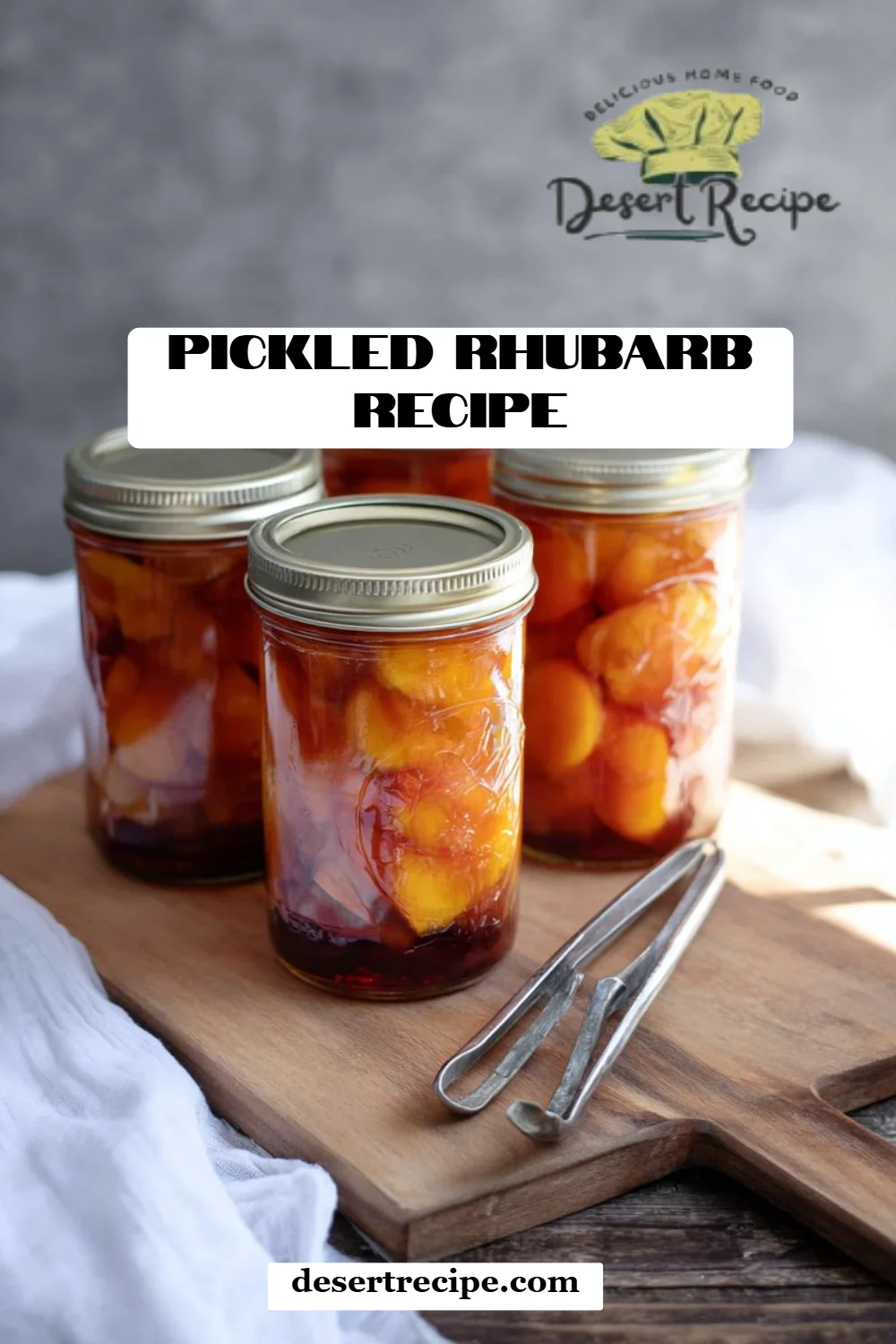
Pickled rhubarb is a delightful blend of sweet and tangy flavors, perfect for brightening up any meal. Originating from the gardens of the early settlers, rhubarb has found its way into both savory and sweet recipes, but pickling gives it a unique twist. Its vibrant color and tart punch make it an eye-catching addition to your pantry and a showstopper at your dinner table.
Typically characterized by a crisp texture and a strikingly tangy flavor, pickled rhubarb can transform the ordinary into the extraordinary. Whether you serve it as a condiment alongside grilled meats, atop a cheese platter, or simply as a snack, the versatility is endless!
You’ll want to whip up this recipe when the rhubarb is in season, making those tongue-tingling bites even fresher. Trust me; once you experience the crunch and flavor explosion, it will quickly become a go-to recipe for all your gatherings or simply to enjoy on a quiet evening at home.
Why You’ll Love This Recipe
Easy to Make: This pickling process is straightforward and doesn’t require fancy equipment. If you can boil a pot of water, you can fill your pantry with these lovely jars of pickled rhubarb!
Cost-Effective: Depending on where you source your rhubarb, this can be a budget-friendly project. Plus, think of the savings when you’re not buying overpriced store-bought versions.
Customization Galore: Feel free to tweak the spices or sugar levels in this Pickled Rhubarb Recipe to heighten your own personal touch. You can even experiment with adding other fruits or vegetables!
Storage Crafter: Each jar can last for months (unopened) in your pantry! So, you can enjoy this pantry staple whether it’s summer or winter.
Flavor Overload: Trust me when I say, once you taste homemade pickled rhubarb, you’ll never look back. It’s far superior to what you buy at the supermarket, with its fresh and vibrant flavor that’s worth every effort.
Ingredients
- 2 cups white vinegar (I recommend using a quality brand that’s not diluted)
- 1.5 cups sugar (don’t skimp here; a good quality organic sugar really shines)
- 1 cinnamon stick (for a warm, cozy flavor)
- 5 bay leaves (I love using fresh ones for extra flavor)
- 2 tbsp mustard seeds (adds a delightful crunch)
- 1 tbsp coriander seeds (adds a hint of citrus)
- 1 tbsp whole black peppers
- 1 tbsp fennel seeds
- 2 tsp cardamom seeds
- 1 tsp allspice
- 1 tsp hot pepper flakes (for a subtle kick)
- 1 tsp whole cloves (adds warmth)
- 1 lb rhubarb (about 6 stalks, sliced diagonally)
- 1 2-inch piece fresh ginger (peeled and sliced for a spicy note)
Notes on Ingredients:
- For best results, always use fresh rhubarb that is firm and vibrant in color. Avoid stalks that are wilted or overly bruised.
- Feel free to adjust the sweetness of the brine if you prefer a sweeter or tart flavor.
- Mustard seeds and spices can be found at specialty stores or even in the international aisle of your local grocery store!
Step-by-Step Instructions
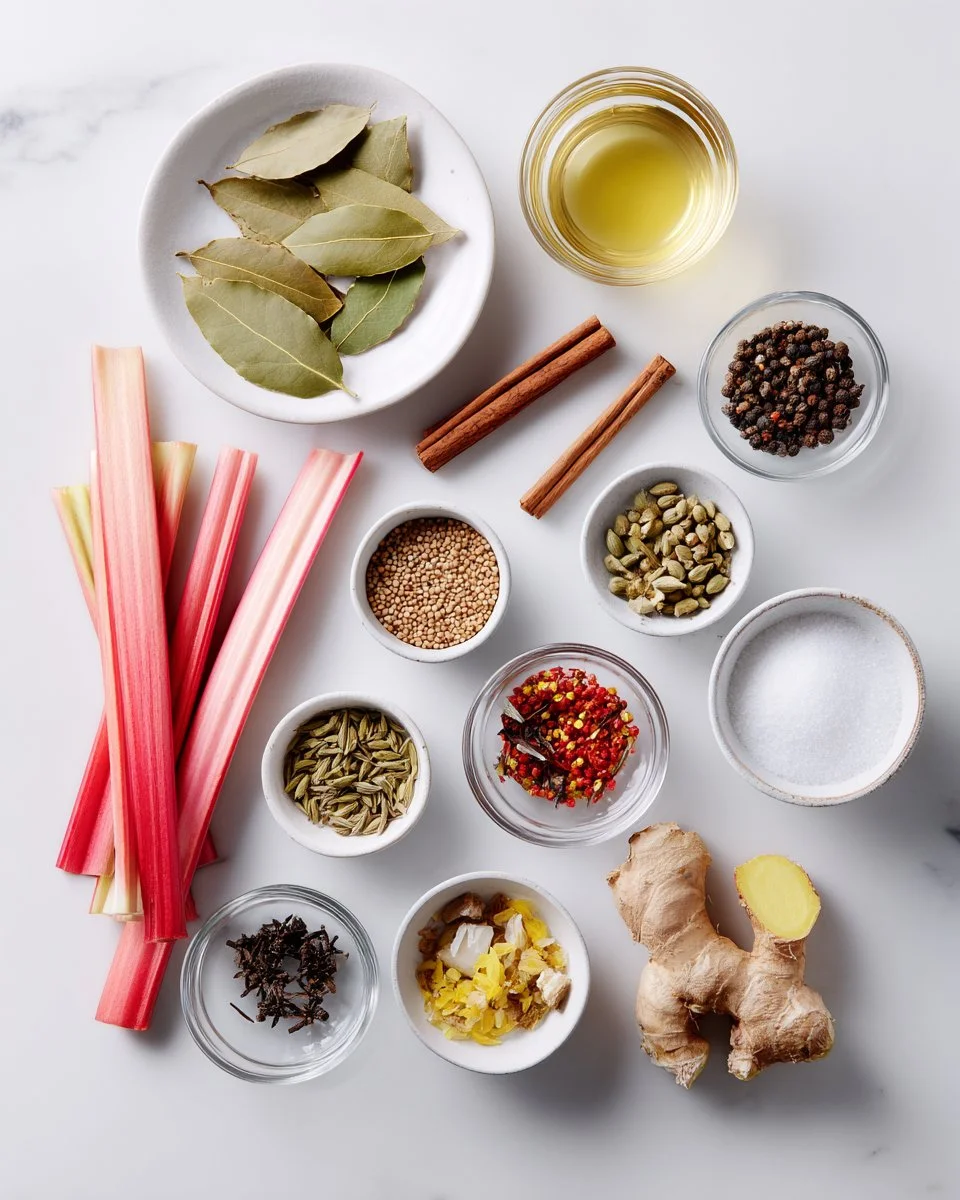
Prepare Your Ingredients: Begin by gathering all your ingredients on the counter. Make sure everything is prepped: rhubarb sliced, ginger peeled, and your spices measured out.
In a medium saucepan, stir together all ingredients except rhubarb. Combine the white vinegar, sugar, cinnamon stick, bay leaves, mustard seeds, coriander seeds, black pepper, fennel seeds, cardamom seeds, allspice, hot pepper flakes, and whole cloves.
Bring to a boil: Heat over medium-high heat. Allow it to come to a rolling boil, stirring occasionally to dissolve the sugar.
Reduce heat and simmer: Once boiling, lower the heat to a gentle simmer for another 5 minutes. You’ll start to smell a fragrant aroma wafting through your kitchen.
Strain and discard solids: Carefully strain the liquid to remove all spice solids. You should be left with a vibrant, fragrant brine.
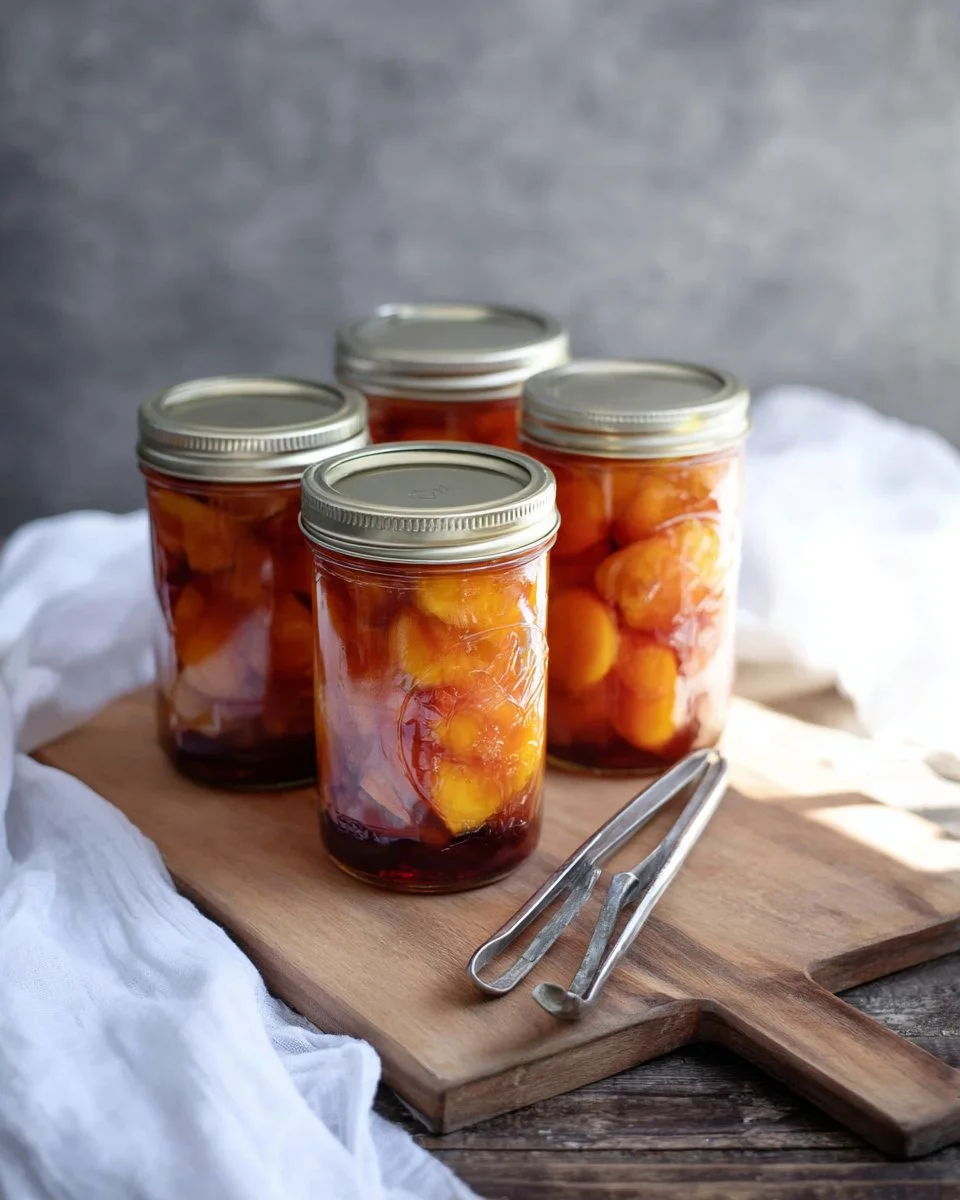
Pack rhubarb into jars: In sterilized 250 ml jars, tightly pack the sliced rhubarb.
Pour hot liquid: Pour the hot brine over the rhubarb until the jars are half below the rims.
Seal and process: Center lids on each jar and screw on the rings until fingertip tight.
Process in boiling water: Place the jars in a boiling water bath for 10 minutes to seal. Keep an eye on the water level, adding more if needed.
Cool and store: After processing, allow the jars to cool before labeling them. Store unopened jars in a cool, dark place.
Chef’s Tips:
- Always ensure your jars are properly sterilized to prevent spoilage.
- Make sure the brine is piping hot when you’re pouring it over the rhubarb to maximize infusion.
- Avoid overcooking the rhubarb; it should stay firm for the best texture.
Expert Tips & Tricks
Storage Recommendations: Once opened, store the jars in the refrigerator, where they’ll last for about 2 weeks. Unopened jars can stay in a cool, dark pantry for up to a year!
Make-ahead Instructions: You can make these pickles a month in advance. The flavor deepens over time, making it ideal for your next gathering.
Troubleshooting Common Problems: If you notice that your rhubarb isn’t crunchy, it might have been overcooked in the boiling process. Keep a watchful eye while it simmers!
Experimenting with Spices: Don’t hesitate to play with spices! Some people enjoy the addition of cloves or star anise for a unique twist.
Using Leftover Brine: After you’ve finished the rhubarb, use the leftover brine for pickling other vegetables, like carrots or asparagus!
Serving Suggestions
These tangy pickles pair beautifully with roasted meats, sharp cheeses, or even included in salads for an added zest. I also love layering them on top of a charcuterie board, offering that perfect contrast to rich cheeses and meats. For a unique presentation, try filling small dessert cups with cream cheese and topping them with pickled rhubarb for a delightful appetizer!
Perfect for picnics, barbecues, or holiday feasts, this colorful dish will impress any guest.
Variations & Substitutions
Different Flavor Combinations: Consider adding slices of orange or lemon to the brine for a citrusy punch. Or even experiment with herbs like dill for a fresh twist!
Dietary Restriction Adaptations: This recipe is naturally vegetarian and gluten-free. For those looking for a low-sugar alternative, you can substitute the sugar with honey or agave syrup—just be sure to tweak the balance of vinegar accordingly.
Seasonal Variations: Utilize other seasonal vegetables, such as cucumbers or carrots, and use the same brine for a mixed pickle jar!
Nutrition & Storage Info
- Prep time: 20 minutes
- Cook time: 15 minutes
- Total time: 35 minutes
- Yield: About 4 jars (250 ml)
- Estimated calories per serving: Approximately 50 calories per tablespoon
- Storage instructions: Unopened jars can be stored at room temperature, while opened jars should be refrigerated.
- How long they last: Properly processed, they can last for up to a year unopened, and a couple of weeks opened in the fridge.
FAQ Section
Can I use frozen rhubarb for this recipe?
Yes, but fresh rhubarb yields a crisper texture. If using frozen, ensure it’s thoroughly thawed and drained before pickling.How can I adjust the level of spice?
Feel free to omit or reduce the hot pepper flakes according to your taste.What’s the best way to serve pickled rhubarb?
Pair it with roasted meats, cheeses, or simply enjoy it straight from the jar for a zesty snack!Can I reuse the pickling brine?
Absolutely! The leftover brine can be used to pickle other veggies—you’ll just need to boil it again before adding new items.Is this recipe suitable for canning beginners?
Totally! This is a great recipe to start your canning journey—just follow the instructions closely, and you’ll do great.What type of vinegar is best for pickling?
White vinegar is preferred due to its high acidity, but apple cider vinegar can provide added depth of flavor.Why did my pickled rhubarb turn soft?
This may be due to overcooking the rhubarb. Remember, you just want it to pickle, not turn mushy!How do I know when my jars are properly sealed?
After cooling, check if the lid is concave and does not pop when pressed. If it does, the jar hasn’t sealed correctly.What do I do if my pickles don’t taste right?
Don’t fret! You can always adjust flavors by adding more vinegar or sweetness once it’s jarred.Can I can these pickles for later use?
Yes! This recipe is perfect for canning as long as you follow the water bath process to ensure proper sealing.
Conclusion
This Pickled Rhubarb Recipe is a delightful way to bring a touch of tangy sweetness into your meals while creating lasting memories. I truly believe that making this dish yourself brings not just flavor, but warmth and nostalgia along with it. I’d love to hear how your pickling adventure goes—feel free to comment your results or ask any questions you may have!
If you’re hungry for more delicious recipes, don’t miss out on my other canning adventures, like my Spiced Pickled Carrots or Apple Cinnamon Jam. Happy pickling!
Pickled Rhubarb
Ingredients
Method
- Gather all your ingredients on the counter, ensuring everything is prepped: rhubarb sliced, ginger peeled, and spices measured out.
- In a medium saucepan, combine white vinegar, sugar, cinnamon stick, bay leaves, mustard seeds, coriander seeds, black pepper, fennel seeds, cardamom seeds, allspice, hot pepper flakes, and whole cloves.
- Heat over medium-high heat until the mixture comes to a rolling boil, stirring occasionally to dissolve the sugar.
- Once boiling, lower the heat to a gentle simmer for another 5 minutes.
- Carefully strain the liquid to remove spice solids, leaving a vibrant brine.
- In sterilized 250 ml jars, tightly pack the sliced rhubarb.
- Pour the hot brine over the rhubarb until the jars are half below the rims.
- Center lids on each jar and screw on the rings until fingertip tight.
- Process the jars in a boiling water bath for 10 minutes.
- After processing, allow the jars to cool before labeling them.
- Store unopened jars in a cool, dark place.