Satisfy Your Cravings with Authentic Mexican Sopes
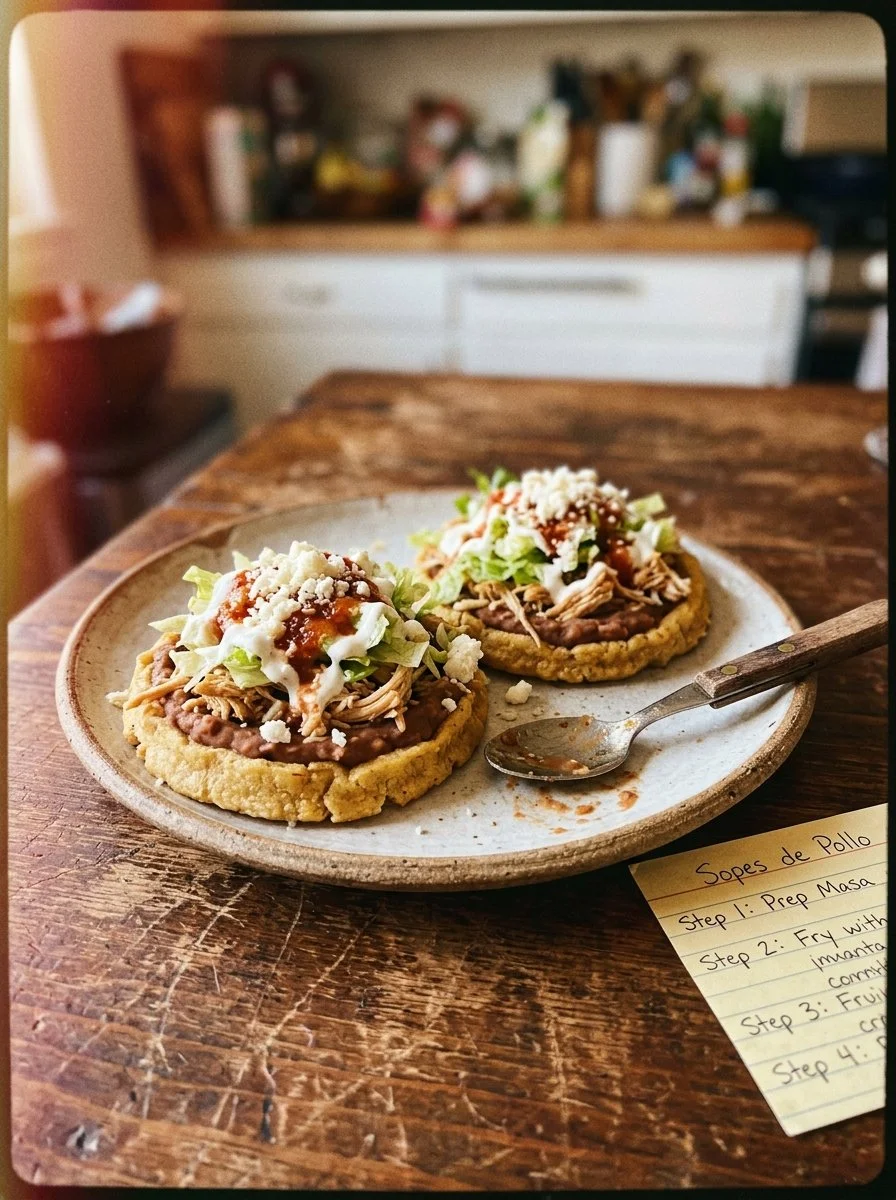
The moment you take your first bite of a freshly made sope, you’re greeted with a delightful crunch, followed by a warm, creamy filling that bursts with flavor. The tantalizing aroma of sautéed spices and toppings wafts through the air, wrapping you in an embrace of nostalgia. The combination of crispy edges and soft center creates an irresistible texture that invites you back for another delicious bite.
The Origin & Heritage
Sopes are not just a dish; they are a cultural emblem woven into the fabric of Mexican culinary traditions. For many, including myself, these delightful little boats of flavor remind us of bustling kitchens where grandma would lovingly prepare family feasts. Originating from the heartland of Mexico, sopes have been cherished as a staple food for generations, often savored during special occasions and family gatherings. The joyous laughter of loved ones echoing through the kitchen stands as a backdrop, amplifying the warmth and love that are poured into every dish.
The Science of Flavor
Masa Harina: This finely ground corn flour brings a distinct sweetness and earthy flavor that serves as the soul of the sope, uniting all elements.
Shortening: Incorporating fat into the dough not only enhances the overall tenderness but also helps create a flaky texture that invites a satisfying bite.
Salt: This essential seasoning effortlessly balances the sweetness of the masa and elevates the overall flavor profile.
Warm Water: Using warm water ensures that the fats in the shortening dissolve properly, allowing for a smoother dough consistency, which makes shaping the sopes easier.
Cooking Method: The high heat from the comal caramelizes the dough, locking in moisture while creating crispy edges, leading to a delightful contrast of textures.
The Ingredients:
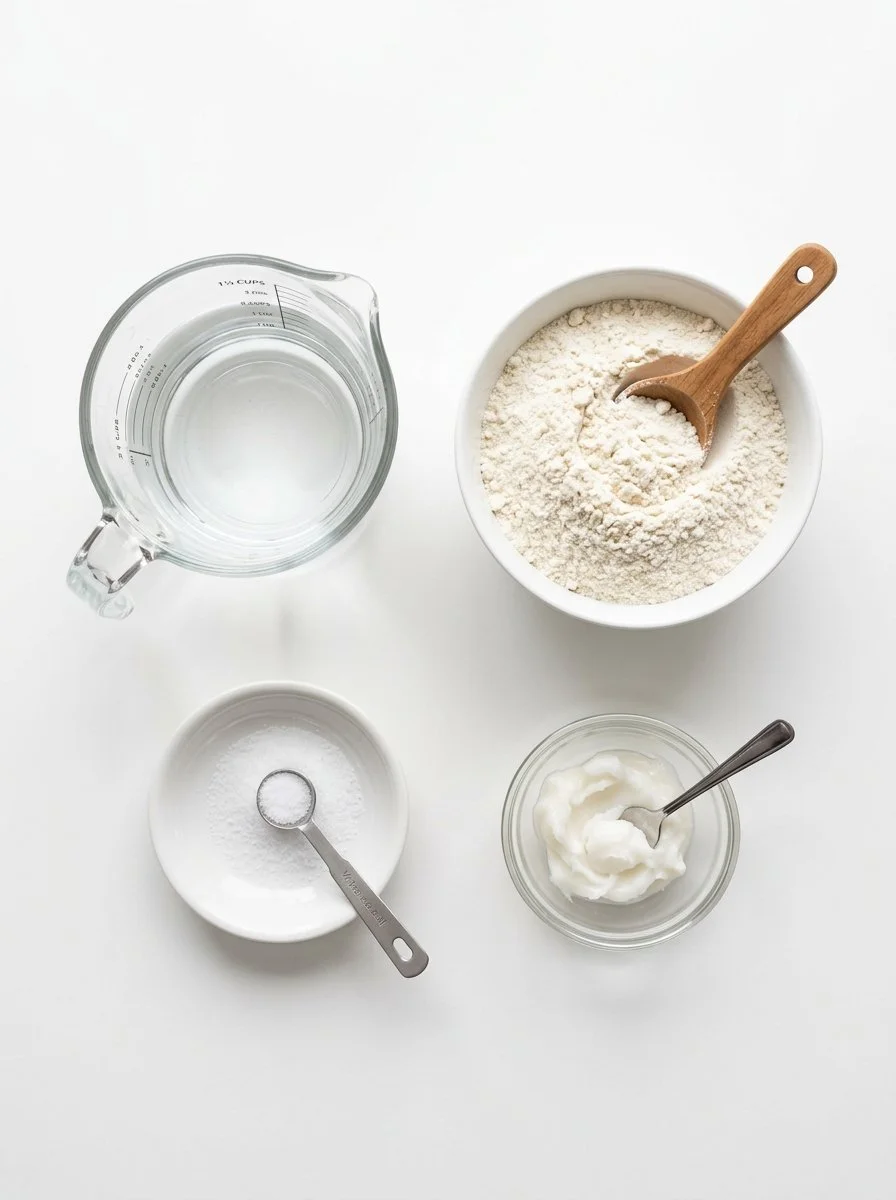
- Masa Harina (2 cups): The star ingredient, providing a rich corn flavor.
- Salt (¼ teaspoon): Enhances flavor and moisture retention.
- Shortening (1 tablespoon): For tenderness and flakiness.
- Warm Water (1¼ cups): Hydrates the dough and aids in gluten development.
Pro-Note: Quality Hack
- Masa Harina: Opt for Maseca, a trusted brand that guarantees quality and authenticity in your sopes.
- Shortening: Consider using non-hydrogenated shortening for a healthier fat option that still delivers delicious results.
The Masterclass Instructions
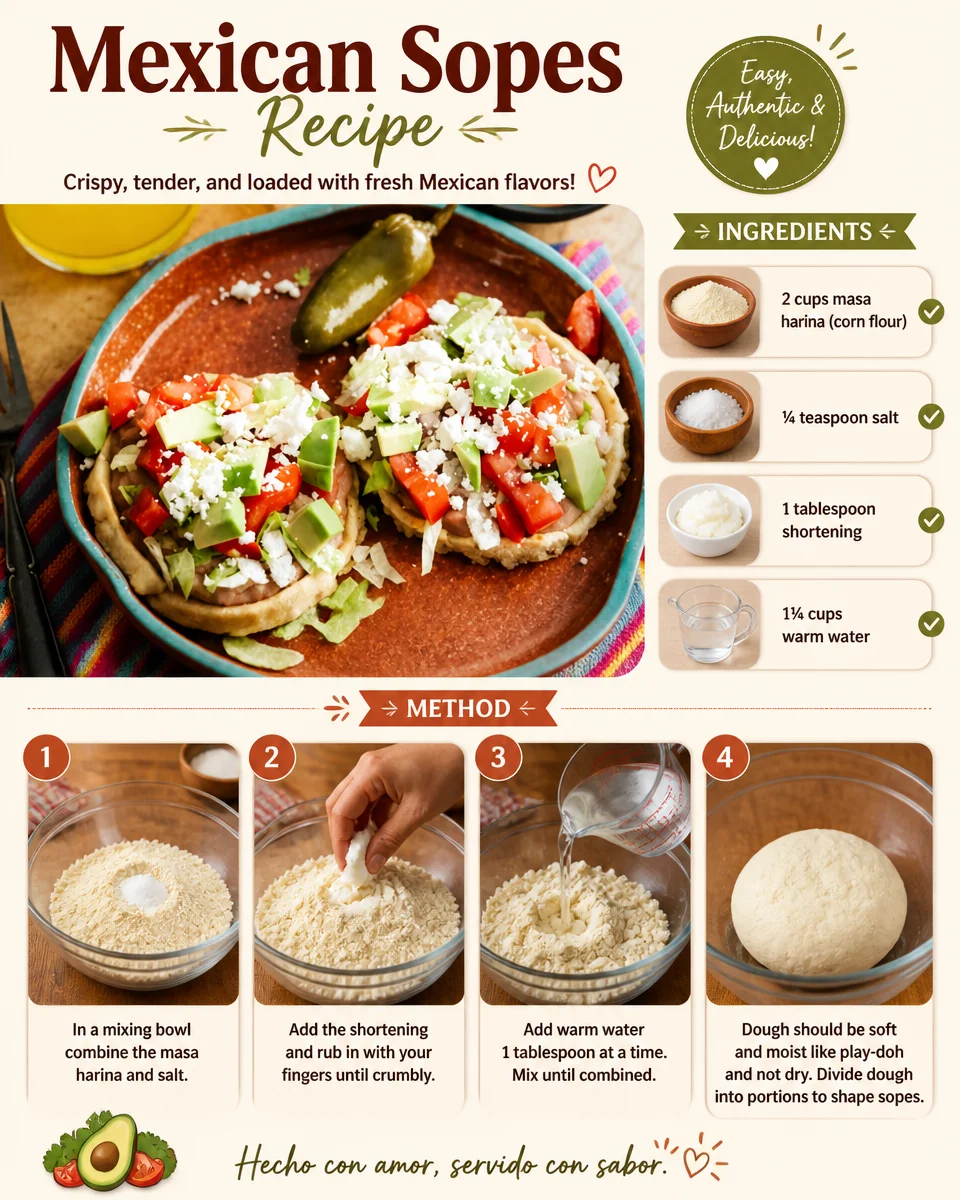
Mixing the Dough: In a mixing bowl, combine masa harina and salt. Add shortening and rub it in with your fingers until evenly distributed. Slowly pour in warm water while kneading until the mixture is smooth and slightly sticky. Adjust with more water, 1 tablespoon at a time if needed. The dough should be soft and moist, like play-doh, not dry.
Dividing the Dough: Divide the dough into 8 equal portions. Cover with a damp cloth to retain moisture.
Creating Patties: Line your tortilla press with plastic wrap. Place a ball of dough in the center, cover with another piece of plastic wrap, and press to form a ¼ inch-thick patty. If you don’t have a tortilla press, use a heavy cast-iron skillet or simply form the patties with your hands. Repeat for remaining balls.
Cooking the Patties: Preheat a greased comal on medium-high heat. Cook each patty for 2-3 minutes on each side until slightly dry.
Shaping the Sopes: While the patties are still warm, gently pull the edges of the patty upwards, forming a little ridge around the circle. Each sope should look like a small boat.
Finishing Touches: Drizzle oil in the pan and cook the shaped sopes until light brown and slightly crispy.
Fill and Garnish: Fill each sope with your favorite toppings like refried beans, shredded meat, or fresh vegetables. Garnish with crumbled cheese, avocado slices, and salsa.
A Healthier Perspective
To maximize the nutritional value of your sopes, consider these tips:
- Swap the fat: Replace shortening with avocado oil for heart-healthy fats.
- Add Fiber: Incorporate chia seeds or ground flaxseeds into the dough for added fiber.
- Boost Veggies: Load your sopes with a variety of colorful vegetables to enhance vitamins and minerals.
Health Benefits of Masa Harina
Masa harina is naturally gluten-free, making it an excellent choice for those with gluten sensitivities. It’s also a good source of energy, providing carbohydrates that fuel your body throughout the day. Rich in essential nutrients, the masa contains important vitamins such as B9 (folate), which supports brain health and fetal development during pregnancy.
The Troubleshooter
Why did my dough crack?: This could indicate that your dough was too dry. The remedy is simple—add more warm water slowly until a smooth consistency is achieved.
Why are my sopes too thick?: Aim for a patty thickness of ¼ inch. Rolling too thick means they won’t cook properly inside. Flatten them more for better results.
Why is it difficult to shape the sopes?: If your dough feels crumbly, it likely needs more moisture. Gently knead in a little warm water until pliable.
The Art of Serving
For an impressive presentation, serve your sopes on a colorful ceramic plate, showcasing a variety of vibrant toppings. Pair them with a refreshing drink like Horchata or a light Agua Fresca to cleanse your palate and enhance the flavors of your meal. Enjoy your sopes in a casual setting with family, sharing stories and laughter—just like Grandma used to do.
The Dietary Lab
- Vegan Option: Swap the shortening with vegetable oil or vegan butter. Use plant-based toppings such as black beans and avocado.
- Gluten-Free: Ensure the masa harina you select is tested for gluten. Most traditional masa harina is gluten-free.
- Keto-Friendly: Substitute masa harina with almond flour or coconut flour; adjust liquid accordingly for a dough-like consistency.
Storage & Revival
- Yield: 8 Sopes
- Prep Time: 20 minutes
- Cook Time: 15 minutes
The Revival Rule
To reheat sopes, place them in an oven at 350°F (175°C) for about 10 minutes or until warmed through. A air fryer also works well for crisping. Avoid the microwave, as it will make your sopes soggy!
FAQ
What can I fill my sopes with?
You can fill sopes with anything from refried beans and carne asada to sautéed mushrooms and grilled veggies. The options are endless!
How do I prevent the dough from sticking?
Using plastic wrap when pressing and lightly greasing your comal can help prevent sticking. Adjust the moisture level of your dough if it’s too sticky.
Can I prepare the dough ahead of time?
Yes, you can make the dough a few hours in advance. Simply keep it covered with a damp cloth to prevent it from drying out.
How thick should the sopes be?
Aim for a thickness of about ¼ inch to ensure they cook evenly and hold their shape without being too doughy.
Can I freeze sopes?
Yes! Freeze uncooked sopes between layers of parchment paper in an airtight container for up to three months. Cook from frozen, adding a few extra minutes on the comal.
What’s the best way to cook sopes?
Cooking on a hot comal or cast-iron skillet ensures even heat distribution, creating that perfect crispy exterior with a soft interior.
How long do cooked sopes last?
Cooked sopes are best enjoyed fresh but can last in the fridge for 2-3 days. Reheat on the comal for the best texture.
What’s the traditional topping for sopes?
Traditional toppings include pinto beans, shredded meat (like pork or chicken), cabbage, cheese, and salsa. You can customize to your taste!
Can I make sopes without a tortilla press?
Absolutely! Use a heavy skillet to press them, or simply use your hands to shape the dough into patties.
Are sopes healthy?
Sopes can be healthy when made with whole ingredients. Opt for lean proteins and lots of veggies for a nutritious meal.
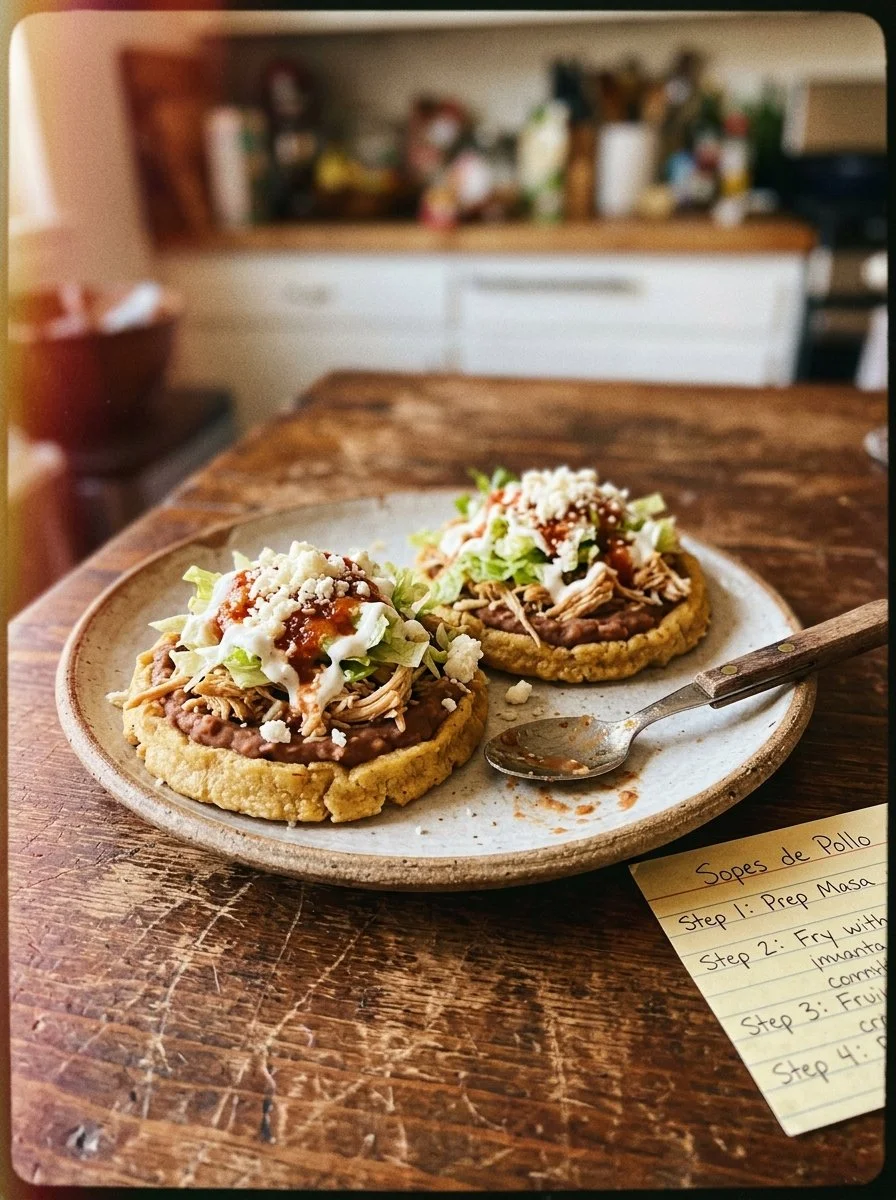
As you wrap up your cooking adventure with these Mexican sopes, remember that every bite is a celebration of flavor and culture. I invite you to leave a comment below if you tried the Authentic Mexican Sopes! For more culinary endeavors, check out recipes for Tacos Al Pastor, Chiles Rellenos, or Tamales. Happy cooking!