Table of Contents
Table of Contents
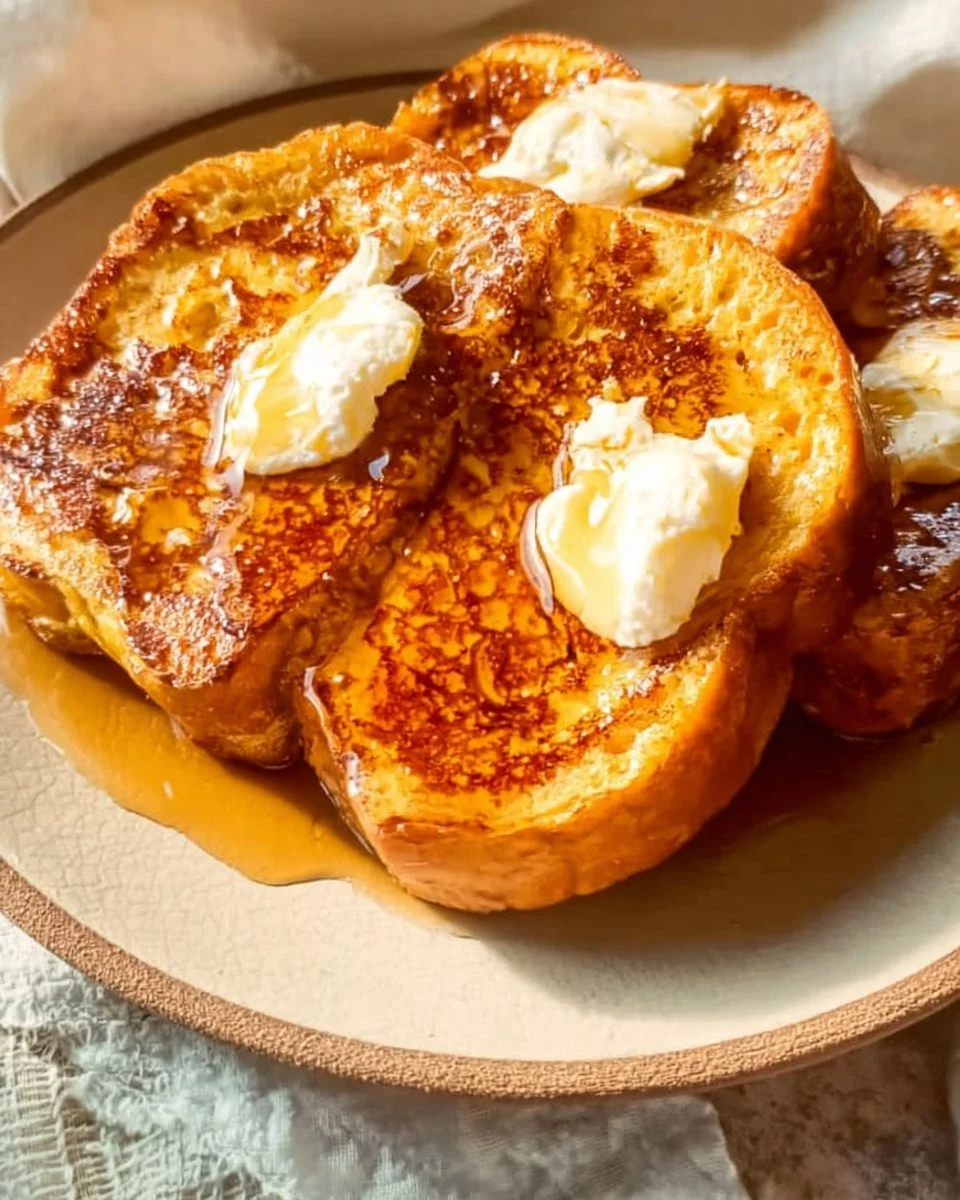
Ah, French toast! Just the mention of it brings back memories of lazy Sunday mornings, with the sweet aroma of cinnamon wafting through the kitchen. I can almost hear my grandmother’s cheerful laughter as she whipped up her famous French toast, perfecting each slice until it was golden brown and delicately crispy on the outside, soft and custardy on the inside. Those moments were filled with warmth, love, and deliciousness, and they inspired me to seek out The Best French Toast recipe to recreate those unforgettable breakfasts.
What sets this French toast apart from others? It’s not just the comforting, nostalgic flavors that transport you back in time; it’s the perfect balance of richness and sweetness that makes it a standout. This recipe is simplicity at its finest—no complicated techniques and fuss—just minimal ingredients that you can easily customize to your taste later on.
In this post, I promise you’ll discover how to achieve that delightful texture and flavor with tips that will elevate your French toast experience. So grab your ingredients, and let’s dive into the world of buttery, syrupy bliss that is The Best French Toast!
What Are The Best French Toast?
French toast, or “pain perdu,” has a rich history that dates back to ancient Roman times, where stale bread was revived and transformed into something delightful. Essentially, it’s bread soaked in a mixture of eggs and milk, and then cooked on a skillet until it’s golden brown. The taste? Oh, it’s heavenly! Each bite offers a satisfying custardy texture wrapped in a slightly crisp exterior.
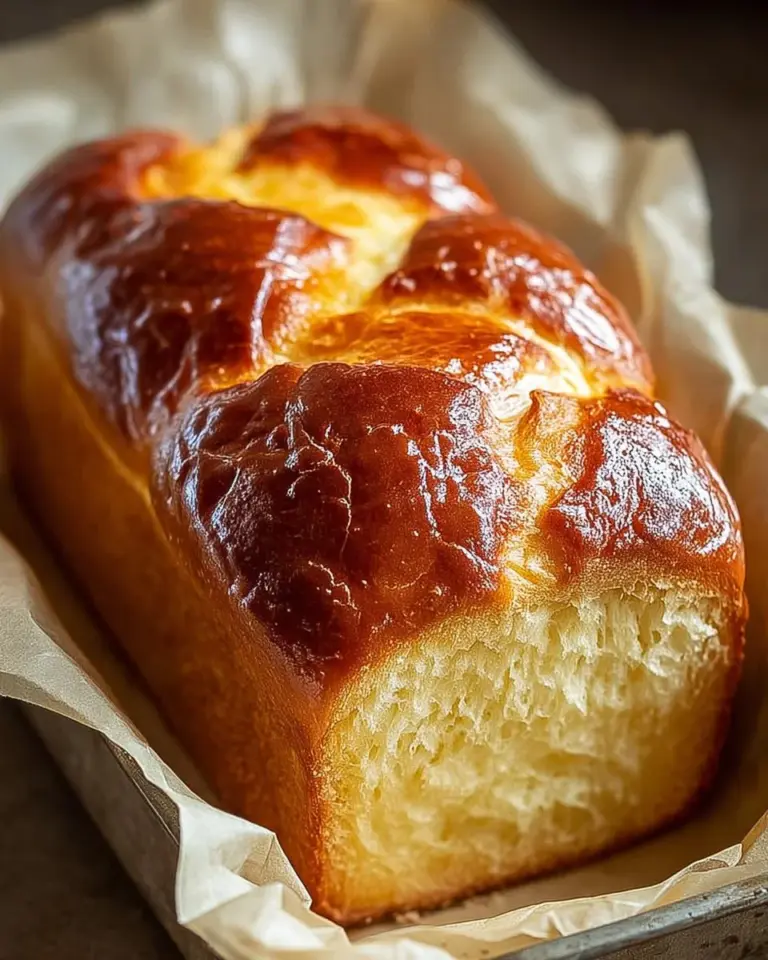
What makes The Best French Toast different? The key is the right bread choice, the perfect soaking time, and a dash of cinnamon for that cozy flavor. I recommend using thick slices of brioche or challah, which soak up the egg mixture beautifully while staying fluffy on the inside. You’ll want to make these on special occasions or just because, treating yourself or your loved ones to a comforting meal that never fails to bring smiles to the breakfast table.
Why You’ll Love This Recipe
Simplicity at Its Finest: With just a handful of ingredients, this recipe comes together in under 30 minutes. Unlike restaurant versions that can be overly sweet or heavy, my French toast strikes the perfect balance.
Budget-Friendly: Why spend $10 on a single plate of French toast at a café when you can make 4 generous servings at home for a fraction of the cost? Your wallet—and your taste buds—will thank you.
Customization Galore: Want to switch it up? Consider adding chocolate chips for a decadent treat or fresh fruit for a pop of freshness. The options are endless, ensuring there’s a version for everyone!
Easy for All Skill Levels: Whether you’re a seasoned cook or just starting, this recipe simplifies French toast-making. You’ll look like a pro in no time, impressing friends and family with minimal effort.
Nostalgia and Comfort: This French toast doesn’t just fill your stomach—it fills your heart. The rich flavors and nostalgic memories will make your breakfast table a treasured gathering place.
Ingredients Section
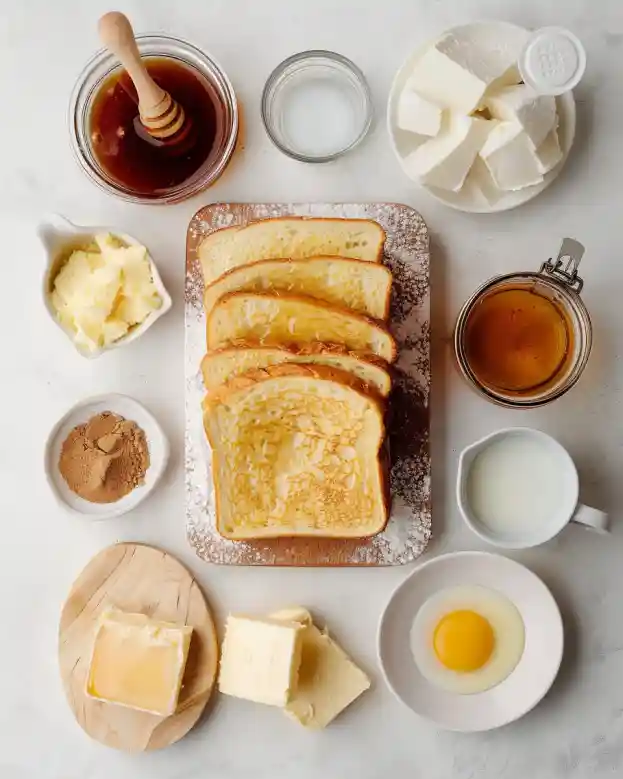
To create The Best French Toast, you’ll need the following ingredients. Feel free to explore higher quality options or substitutions that suit your taste:
- 4 slices of bread: Go for thick-cut brioche or challah for that perfect custardy texture.
- 2 large eggs: Fresh eggs lend the best flavor and richness.
- 1/2 cup milk: Whole milk is excellent for a creamy finish; you can also substitute almond or oat milk for a dairy-free option.
- 1 teaspoon vanilla extract: Opt for pure vanilla extract for a more intense flavor.
- 1/2 teaspoon cinnamon: This spice adds warmth; consider using freshly grated nutmeg for a bolder twist.
- Butter (for cooking): Use high-quality unsalted butter, which melts beautifully and adds a luxurious richness.
- Maple syrup (for serving): Pure maple syrup is a must for the authentic sweet touch!
Prep Notes: Make sure your butter is at room temperature for easy spreading in the skillet. Also, allow your bread to stale a bit if it’s fresh; it will soak up the mixture without falling apart!
Step-by-Step Instructions
Whisk the Mixture: In a large bowl, whisk together the eggs, milk, vanilla extract, and cinnamon until well combined. Take a moment to soak in the delightful aroma as you blend the ingredients—it’s pure bliss!
Heat the Skillet: Preheat a non-stick skillet or griddle over medium heat. Add a tablespoon of butter and allow it to sizzle gently, creating a luscious bath for your bread.
Soak the Bread: Dip each slice of bread into the egg mixture, soaking both sides for about 20 seconds. You want them to absorb enough liquid for that custardy texture, but not so much that they’ll fall apart.
Cook the French Toast: Place the soaked bread in the skillet. Cook until golden brown, about 3 to 4 minutes per side. Watch closely—it’s all about that beautiful caramelization!
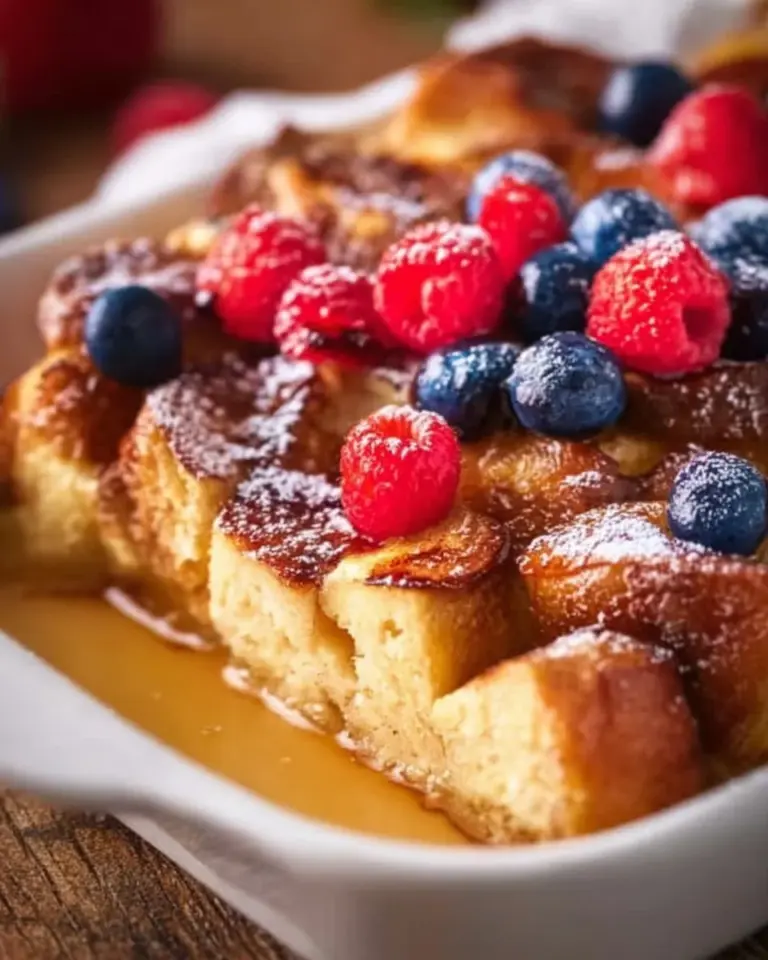
Serve with Love: Once cooked, serve warm with a generous drizzle of maple syrup. Optionally, top with fresh berries or whipped cream for a touch of extravagance.
Chef’s Tips:
- If you’re cooking in batches, keep the finished slices warm in a low oven (around 200°F) while you finish the rest.
- Avoid soaking the bread too long; soggy bread won’t toast well.
Expert Tips & Tricks
Storage Recommendations: Leftover French toast can be stored in an airtight container in the fridge for up to 3 days. Simply reheat in the toaster or microwave.
Make-Ahead Instructions: You can prepare the egg mixture the night before, keeping it in the fridge. Just whisk it up before cooking; it will save time in the morning!
Troubleshooting: If your French toast isn’t browning, check your skillet temperature. It should be hot but not smoking—aim for a nice sizzle as you add the bread.
For Bulk Cooking: Double or triple the recipe; just keep an eye on your cooking time to avoid overcrowding the pan.
Serving Suggestions
What’s breakfast without its accompaniments? Consider serving your French toast with crispy bacon or sausage links for a savory balance. Pair it with a fresh fruit salad for a light touch, or whip up some whipped cream for indulgent perfection. Presentation matters too! Dust your French toast with powdered sugar for that Instagram-worthy finish or sprinkle with fresh mint leaves for a pop of color.
Variations & Substitutions
Flavor Combinations: Try adding orange zest for a citrus kick, or fold in some whipped cream cheese into the egg mixture for extra richness.
Dietary Restrictions: If gluten-free is your vibe, swap the bread for gluten-free options. For dairy-free, almond milk and coconut cream can be delightful substitutes!
Seasonal Variations: In the fall, add pumpkin puree and spices for a cozy, pumpkin-flavored twist. During the summer, consider topped with grilled peaches or strawberries.
Nutrition & Storage Info
- Prep Time: 10 minutes
- Cook Time: 15 minutes
- Total Time: 25 minutes
- Yield: 4 servings
- Calories per serving: Approximately 300 calories
Storage Instructions: Keep leftovers in the fridge for 3 days in an airtight container. For longer storage, freeze individual slices between layers of parchment paper in a freezer-safe bag for up to a month.
FAQ Section
Can I use regular bread instead of brioche/challah?
Absolutely! Just note that the texture and flavor will differ slightly. Ensure whatever bread you choose is thick enough to hold up while soaking.How do you know when the French toast is done?
The bread should be golden brown on both sides. You can also check with a toothpick; it should come out clean if cooked thoroughly.Can I make this without eggs?
Yes! You can use a mixture of flaxseed meal and water or silken tofu blended until smooth as a substitute for eggs.What’s the best way to reheat French toast?
The toaster is a fantastic option, as it crisps up the edges. You can also reheat in the microwave, but it may not retain the same texture.Can I freeze leftovers?
Yes, freeze French toast slices in a single layer, then transfer to a freezer-safe bag. Reheat from frozen, adding a minute or two to the cooking time.How long can I keep them stored?
In the fridge, they’ll last about 3 days. In the freezer, they can last for a month.Can I double the recipe?
Definitely! Just keep an eye on your cooking time and pan space to ensure even cooking.What can I replace cinnamon with?
You can substitute cinnamon for nutmeg, cardamom, or leave it out entirely if you prefer a plainer flavor.Why did my French toast turn out soggy?
It might have been soaked for too long or cooked at too low of a temperature. Ensure you’re keeping the heat at medium and only soaking each slice for about 20 seconds.Can I make it dairy-free?
Yes! Swap out regular milk for almond milk, coconut milk, or any plant-based milk you prefer.
Conclusion
Now that you’ve discovered the secrets behind The Best French Toast, it’s time to create your own breakfast masterpiece! Relive those sweet memories while making new ones around your kitchen table. This easy recipe promises a delightful experience that’s both comforting and indulgent. I would love to hear how your French toast adventure goes—please share your thoughts and variations! And if you’re looking for more delicious breakfast ideas, be sure to check out other recipes on my blog that will make mornings a celebration!
Brioche French Toast Casserole

The Best French Toast
Ingredients
Method
- In a large bowl, whisk together the eggs, milk, vanilla extract, and cinnamon until well combined.
- Preheat a non-stick skillet or griddle over medium heat and add a tablespoon of butter.
- Dip each slice of bread into the egg mixture, soaking both sides for about 20 seconds.
- Place the soaked bread in the skillet and cook until golden brown, about 3 to 4 minutes per side.
- Serve warm with a generous drizzle of maple syrup, and optionally top with fresh berries or whipped cream.