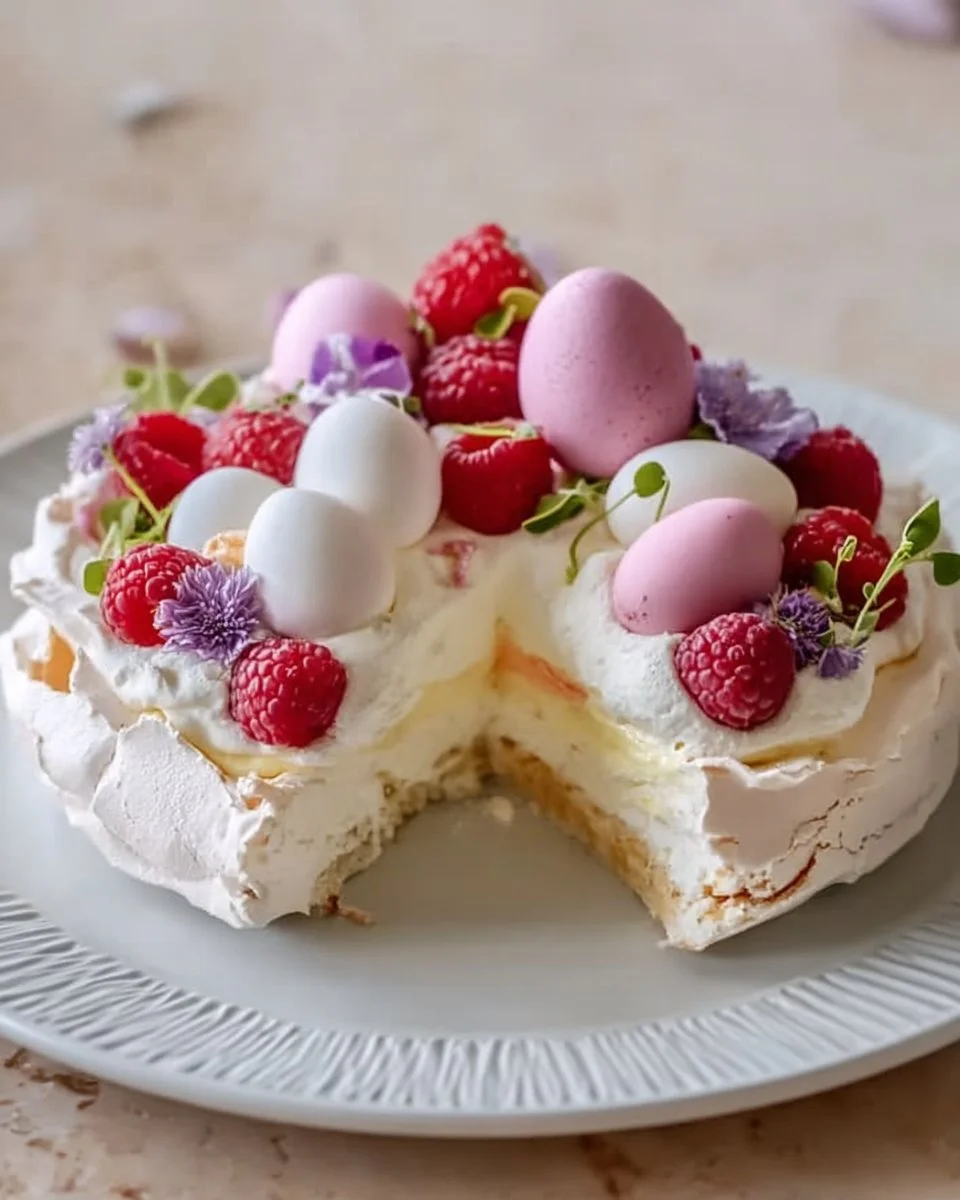
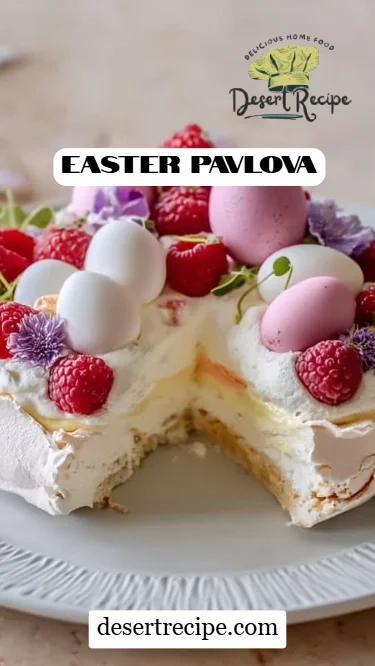
Delightfully Light Easter Pavlova: A Whimsical Treat for Spring Celebrations
Easter is one of my favorite times of year — not just for the joyous celebrations and the promise of spring, but for the sweet indulgences that come with it. Every Easter, I find myself reminiscing about the fragrant aroma of freshly baked meringue wafting through my kitchen, a joyful experience that immediately transports me back to those warm family gatherings. One dessert stands out from the rest: the Easter Pavlova. It’s airy, crispy meringue, adorned with luscious whipped cream and a colorful array of seasonal fruits, is not only a feast for the palate but also a visual delight that brings everyone together.
What makes my Easter Pavlova recipe so special? It’s the homemade touch that elevates this elegant dessert beyond anything store-bought. Using simple, high-quality ingredients, this recipe embraces both tradition and adaptability, allowing you to customize it with flavors and toppings that are personal to you and your loved ones. As you craft this beauty, you’ll infuse your kitchen with love, joy, and a sprinkle of nostalgia.
In this post, I’m excited to guide you through crafting your own delicious Easter Pavlova, ensuring that your dessert-table centerpiece will not only look stunning but will taste heavenly too!
What Are Easter Pavlova?
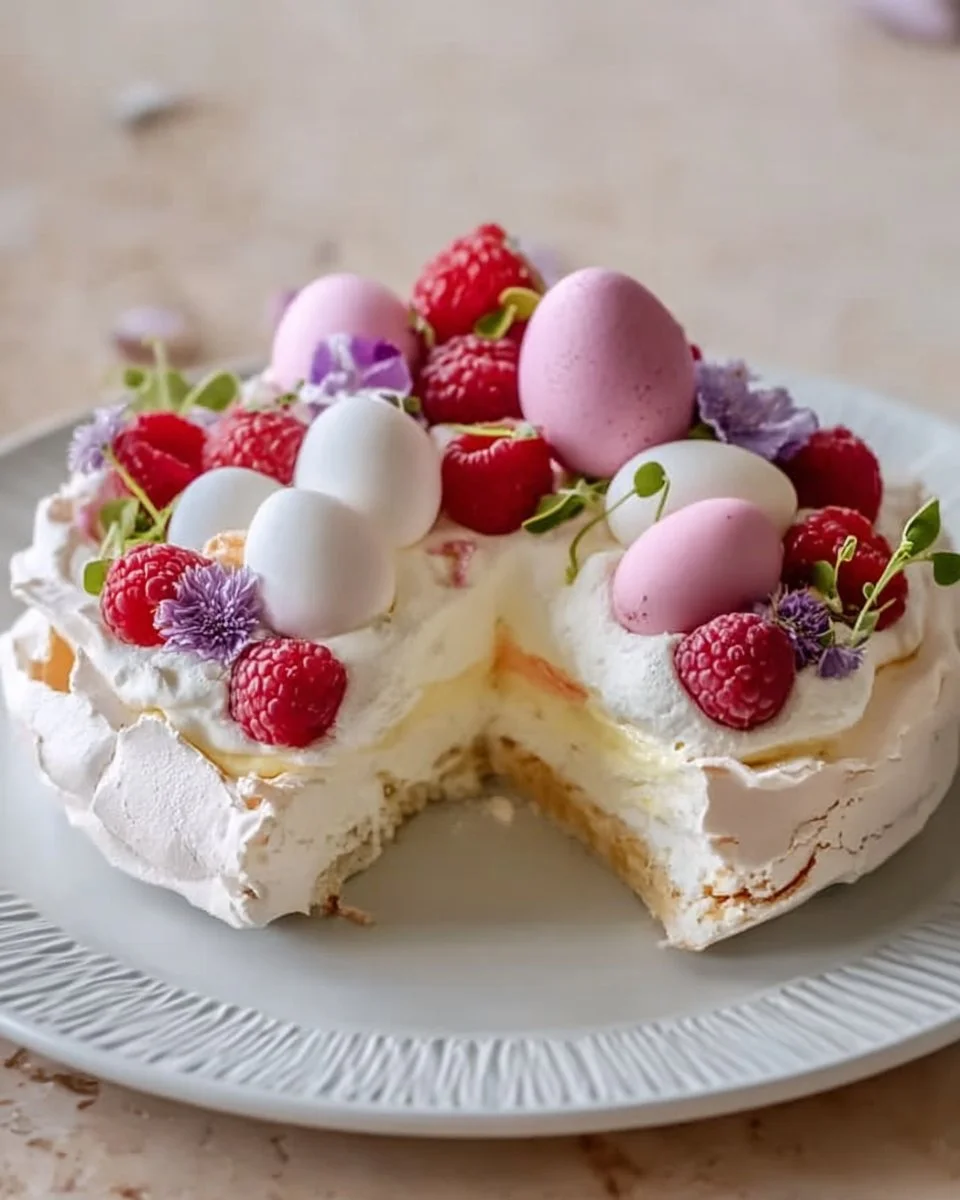
Originating from Australia and New Zealand, Pavlova was created in honor of the famous Russian ballerina, Anna Pavlova, during her tour in the early 20th century. This divine dessert consists of a crisp meringue shell, boasting a soft, marshmallow-like interior that melts in your mouth with each bite. Topped with a cloud of whipped cream and a bounty of fresh fruits, every spoonful is a delightful contrast of textures — the crunchy exterior, the creamy filling, and the juicy toppings are a symphony of flavors that dance on your palate.
Ideal for springtime celebrations like Easter, the Pavlova is not only beautiful but also relatively simple to make. It’s the star of any dessert table, able to showcase the freshest seasonal fruits, making it an elegant and sophisticated choice that will impress your friends and family alike.
Why You’ll Love This Recipe
Simple Yet Elegant: This Easter Pavlova recipe transforms basic ingredients into an exquisite dessert. You can wow your guests without spending hours in the kitchen—perfect for busy Easter weekends!
Customization Galore: The beauty of a Pavlova lies in its versatility. You can change up the toppings with seasonal fruit or even drizzle with chocolate ganache for a different flair. Berries and kiwi are classic, but feel free to get creative with your favorites!
Cost-Effective: Making your Pavlova from scratch is not only rewarding but also cost-effective. Compared to fancy store-bought versions, this recipe uses four egg whites and pantry staples, allowing you to create something extraordinary without breaking the bank.
Adapts to Dietary Preferences: With minimal adjustments, this Pavlova can cater to various dietary needs, such as gluten-free or dairy-free, by using coconut cream instead of heavy cream.
A Timeless Joy: There’s something so comforting about whisking egg whites until they form stiff peaks, folding in the cornstarch and vinegar, and watching your creation come to life in the oven. It’s a nostalgic experience that you’ll want to share with family for generations.
Ingredients Section
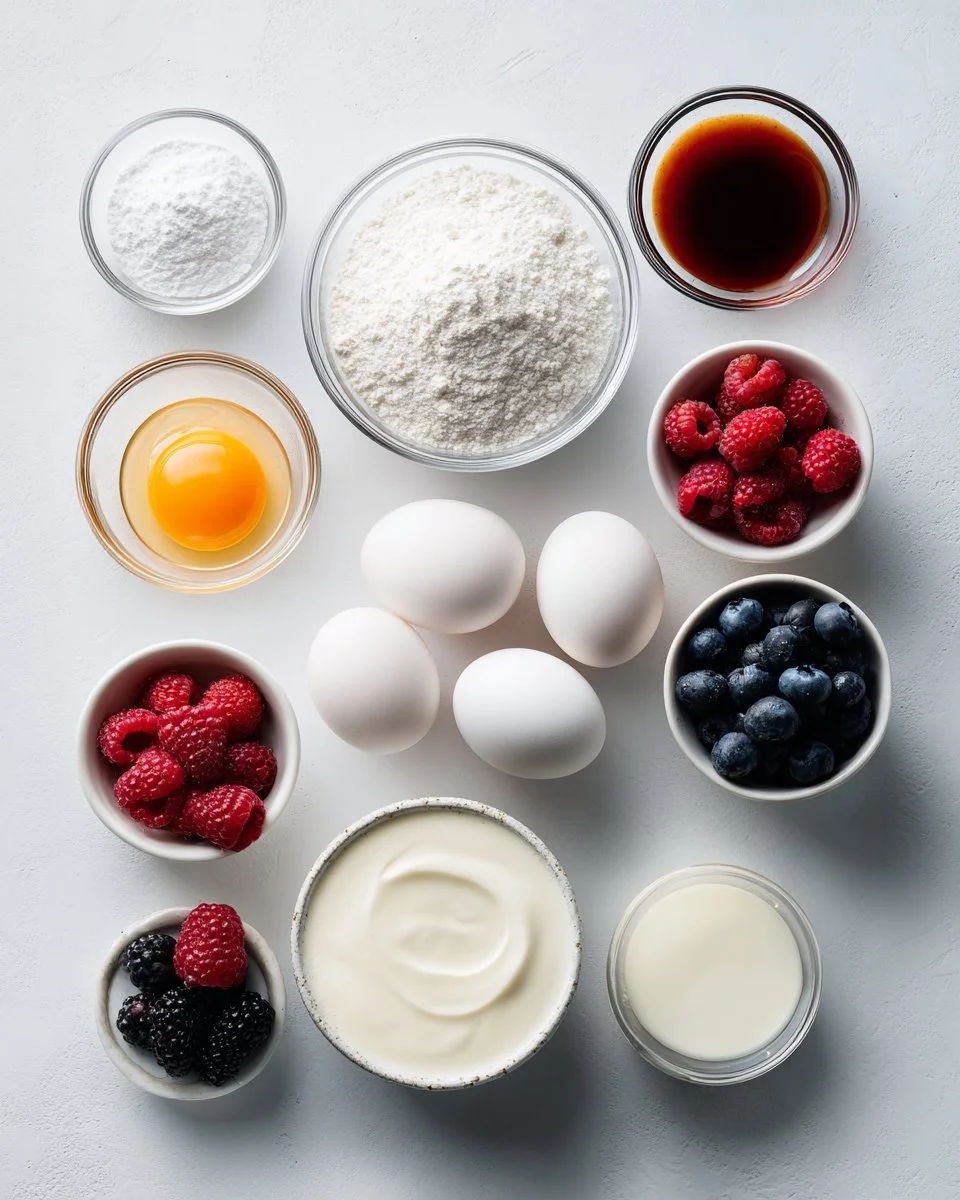
Before we dive into how to whip up this Easter Pavlova, let’s gather our ingredients!
- 4 large egg whites: Make sure they are at room temperature for the best volume and stability. Fresh eggs work best!
- 1 cup granulated sugar: Superfine sugar can yield an extra smooth meringue.
- 1 teaspoon cornstarch: This helps create a soft interior.
- 1 teaspoon white vinegar: Adds stability and helps create that marshmallow-like texture in the center.
- 1 cup heavy cream: For light and fluffy whipped topping; choose organic for the best flavor.
- 1 teaspoon vanilla extract: Pure vanilla enhances the sweetness and flavor profile.
- Seasonal fruits: Think strawberries, blueberries, kiwi, and passion fruit for a colorful and vibrant finish. Always opt for the freshest fruits available.
Chef’s Note: It’s essential to ensure your mixing bowl is completely clean without any grease to allow the egg whites to whip properly.
Step-by-Step Instructions
Ready to get started? Follow these detailed steps for a delightful Easter Pavlova:
Preheat the oven to 250°F (120°C). Line a baking sheet with parchment paper, creating a circular template by drawing a circle on the paper; flip it over so the ink side is down.
Beat the egg whites: In a clean mixing bowl, whip the egg whites on medium speed until soft peaks form. Gradually add the granulated sugar, a tablespoon at a time, continuing to beat until the mixture is glossy and the sugar is completely dissolved (about 8-10 minutes).
Fold in additional ingredients: Gently incorporate the cornstarch and vinegar into the meringue using a rubber spatula. Be careful not to deflate the air bubbles you just whipped into the egg whites!
Shape the meringue: Spoon the meringue onto the parchment-lined baking sheet, shaping it into a nest with an indentation in the center to hold your toppings later.
Bake: Place it in the oven and bake for about 1 hour. The meringue should be dry and crisp on the outside and easily lift off the parchment. You might notice a light golden hue—this is perfect!
Cool completely: Once baked, turn off the oven and let the Pavlova cool with the door slightly ajar for about 1 hour to prevent cracking.
Whip the cream: In a separate bowl, whip the heavy cream with vanilla extract on medium-high speed until soft peaks form (about 3-4 minutes). Don’t overwhip, as it can turn grainy!
Assemble: Once the Pavlova has cooled completely, gently fill the center of each nest with whipped cream and top with colorful seasonal fruits.
Serve immediately and enjoy the applause!
Chef’s Tips:
- If the meringue has cracks, don’t worry! This is a natural characteristic of Pavlova.
- Avoid humid days when making this dessert, as moisture can affect the meringue’s ability to set.
Expert Tips & Tricks
Room Temperature Eggs: Egg whites whip better when at room temperature; place them in warm (not hot!) water for a few minutes if you forget to take them out early.
Store Dry: Ensure no moisture touches your egg whites or meringue mixture; any water will prevent it from whipping up properly.
Custom Flavors: Experiment by adding a little almond extract or citrus zest to your meringue for an exciting flavor twist.
Make Ahead: You can make the meringue in advance and store it in an airtight container at room temperature for up to two days. Assemble just before serving to keep it fresh.
Crisper Crust: For an extra crunchy shell, bake a bit longer and let it cool in the oven as mentioned before.
Storage: Leftovers can be stored in an airtight container in the refrigerator for up to 2 days, but assembly with whipped cream and fruits is best enjoyed fresh.
Serving Suggestions
Pair your Easter Pavlova with a refreshing herbal tea or a light bubbly drink like prosecco to enhance the festive experience. For a delightful presentation, use fresh mint leaves as garnishes or sprinkle edible flowers atop for an added touch of elegance. This dessert is perfect for Easter brunch, garden parties, or any springtime celebration.
Variations & Substitutions
Flavor Combinations: Try adding cocoa powder for a chocolate Pavlova, or swirl in some fruit puree (like passion fruit or raspberry) into your meringue before baking for a colorful twist!
Dietary Adaptations: For a dairy-free version, substitute heavy cream with coconut cream; just whip it until fluffy.
Seasonal Variations: In the fall, consider topping with roasted apples and pecans, or make a berry Pavlova in the summer with juicy strawberries and blueberries.
Nutrition & Storage Info
- Prep time: 20 minutes
- Cook time: 1 hour
- Total time: 1 hour 20 minutes
- Yield: Serves 6-8
- Estimated calories per serving: 220 cal
- Storage: Keep meringues at room temperature in an airtight container for up to 2 days. Store whipped cream in the fridge for up to 24 hours, but it’s best served fresh.
FAQ Section
Can I make Pavlova in advance?
- Yes! You can prepare the meringue ahead of time and assemble with cream and fruits just before serving.
What if my Pavlova cracks?
- A few cracks are perfectly normal! You can cover them with fruits or whipped cream for a beautiful presentation.
Can I use granulated sugar instead of superfine sugar?
- Yes, you can! Just be sure to whip it long enough so that the sugar dissolves completely in the egg whites.
What fruits pair best with a Pavlova?
- Fresh berries, kiwi, passionfruit, and citrus fruits are delightful choices. Opt for what’s in season!
Why did my meringue not rise?
- This can happen due to grease in the bowl or over-whipping egg whites. Always use a very clean bowl.
Can I freeze Pavlova?
- Meringues can be frozen, but it’s best to assemble them fresh—freeze baked meringue but avoid freezing topped desserts.
What’s the ideal texture of Pavlova?
- A well-made Pavlova should have a crispy outer shell with a soft, marshmallow-like interior.
How long can leftovers be stored?
- Leftover Pavlova can be kept in a cool, dry place for 1-2 days. Once topped with cream, it’s best to eat within 24 hours.
Can I use a hand mixer instead of a stand mixer?
- Absolutely! Just ensure you have the time and patience to whip it thoroughly by hand.
What do I do if my whipped cream curdles?
- If this happens, you can try adding fresh cream and gently whipping until it blends smoothly. If it’s too far gone, start anew.
Conclusion
This Easter Pavlova is not just a dessert; it’s a celebration of textures, flavors, and family traditions. The joy of making it and sharing it with loved ones brings back so many cherished memories, and I hope it does the same for you. I encourage you to give this delightful recipe a try—it might just become a new Easter staple in your household! Tell me how it turns out and don’t forget to explore other delightful recipes on my blog. Happy baking!