Table of Contents
Table of Contents
Irresistible German Gingerbread: A Sweet Journey into Tradition
I can still remember the first time I tasted German Gingerbread—the aroma wafting through my grandmother’s cozy kitchen, bringing back a flood of childhood memories. The holidays weren’t complete until that familiar scent of spices filled the air, drawing the family together. Each piece of this delectable treat holds a special place in my heart, a sweet reminder of laughter, love, and those cherished moments spent around the dinner table.
What sets this German Gingerbread apart from others is its unique blend of spices and sweetness, which creates a perfect harmony of flavors. Unlike the hard, store-bought versions that often lack character, my recipe emphasizes softness and warmth, making each bite a comforting treat. With honey, nuts, and candied orange peel, it’s not just about the taste—it’s about the entire experience!
In this blog post, you’ll learn the secrets behind making the perfect German Gingerbread, along with expert tips, variations, and serving suggestions. Best of all, I’ll share how this recipe can become a cherished part of your family traditions, just like it did for mine. Ready to get baking? Let’s dive in!
What Are German Gingerbread?
German Gingerbread (known as Lebkuchen) is much more than a holiday cookie; it’s a centuries-old tradition steeped in German culture. Its origins can be traced back to the Middle Ages, often associated with festive celebrations and holidays. Historically, it was crafted by monks in monasteries, who would sell it in markets and fairs.
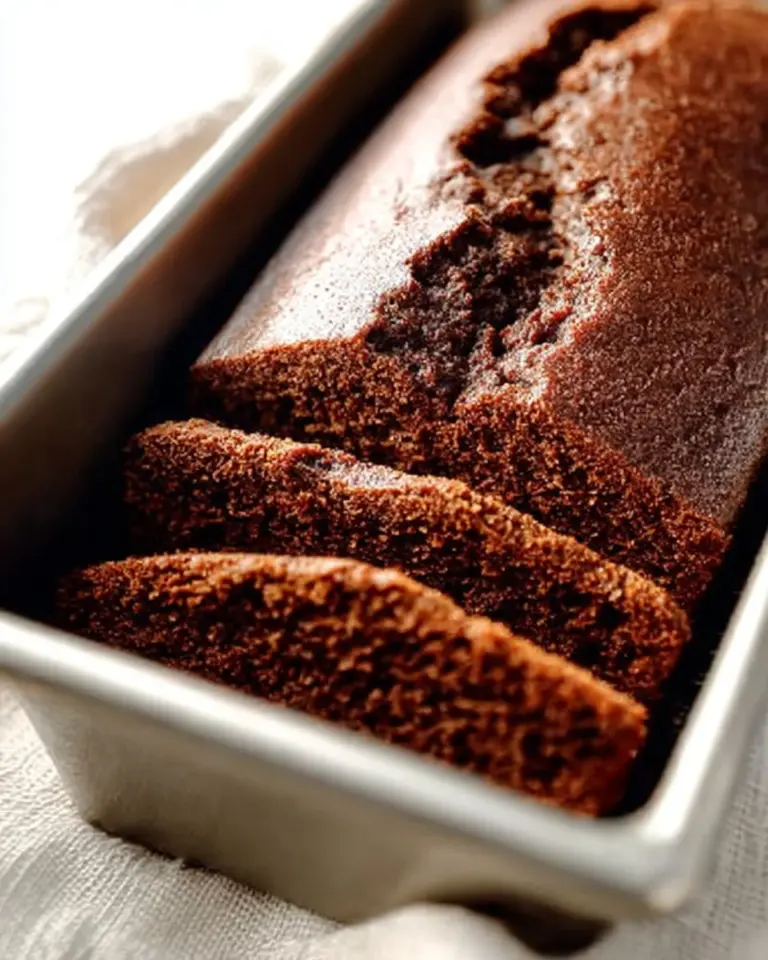
These delightful treats boast a tender, cake-like texture and a rich flavor profile from a carefully balanced blend of spices, including ginger, cinnamon, and nutmeg. The addition of honey lends a unique sweetness, creating a moist treat that practically melts in your mouth.
German Gingerbread is typically made during the festive season but is delightful anytime you need a sweet pick-me-up. They make the perfect home-baked gift and are ideal for sharing with friends and family during gatherings.
Why You’ll Love This Recipe
Homemade Goodness: When compared to store-bought varieties, nothing beats the rich flavors and warmth of homemade German Gingerbread. You won’t find preservatives or artificial flavors here—only pure, heartwarming ingredients!
Cost-Effective: Not only is this recipe a fraction of the cost of fancy bakery options, but it also utilizes ingredients you likely already have in your pantry. Say goodbye to overpriced seasonal cookies!
Customization Options: Prefer your spice levels a bit higher? Want to add extra zing with a touch of lemon zest? This recipe is completely customizable—add or omit spices as you wish! You can even swap out nuts based on your preference.
Easy to Make: This recipe is simple enough for beginners, requiring minimal baking skills. If you can stir and measure, you can make these delightful treats!
A Dose of Nostalgia: By preparing German Gingerbread, you’re not just baking; you’re creating memories. This recipe has been a hit in my family, and I can guarantee it will bring joy to yours as well!
Ingredients
To recreate this heartwarming treat, you’ll need the following ingredients:
- 2 cups all-purpose flour: For the base of your gingerbread. Make sure to use a good quality brand for best results.
- 1 cup honey: The star ingredient! Opt for raw honey for natural sweetness and flavor.
- 1 cup brown sugar: Adds a lovely caramel note and moisture.
- 1/2 cup chopped nuts (such as almonds or hazelnuts): Toasted for extra flavor.
- 2 tsp ground ginger: A must-have spice for that traditional kick.
- 2 tsp ground cinnamon: The warm, inviting spice that ties everything together.
- 1 tsp ground nutmeg: A little goes a long way—just the right touch of holiday cheer.
- 1 tsp baking soda: Helps the gingerbread rise and stay fluffy.
- 1/4 tsp salt: Balances out the sweetness.
- 1/2 cup candied orange peel (optional): For a burst of citrus brightness.
- 1/4 cup water: To adjust the texture.
- Powdered sugar for dusting: To top it all off with a touch of sweetness.
Ingredient Notes
- Quality Matters: When it comes to spices and honey, opt for organic brands when possible to enhance flavors.
- Substitutions: If you need a nut-free version, you can omit the nuts or replace them with sunflower seeds.
Prep Notes
- Room Temperature Ingredients: Ensure your honey and other wet ingredients are at room temperature for easier mixing.
Step-by-Step Instructions
Preheat Your Oven: Set your oven to 350°F (175°C) and grease a baking dish (about 9×13 inches works perfectly).
Mix Wet Ingredients: In a mixing bowl, combine the honey, brown sugar, and water. Stir until well blended—this should take about 2 minutes.
Chef’s Tip: Use a whisk for a smooth blend.
Combine Dry Ingredients: In another bowl, whisk together the flour, baking soda, salt, ginger, cinnamon, and nutmeg.
Visual Cue: The mixture should be evenly mixed and free of lumps.
Combine Mixtures: Gradually add the dry mixture into the wet mixture. Stir until a sticky dough forms, which should take about 3-4 minutes.
Common Mistake: Don’t overmix—this can lead to a dense gingerbread!
Add Nuts and Peel: Gently fold in the chopped nuts and candied orange peel if using.
Spread Dough: Pour the dough into your prepared baking dish, spreading it evenly. Use a spatula for a smooth surface.
Bake: Place in the oven for 25-30 minutes, or until set and lightly golden.
Chef’s Tip: Insert a toothpick to check for doneness; it should come out clean.
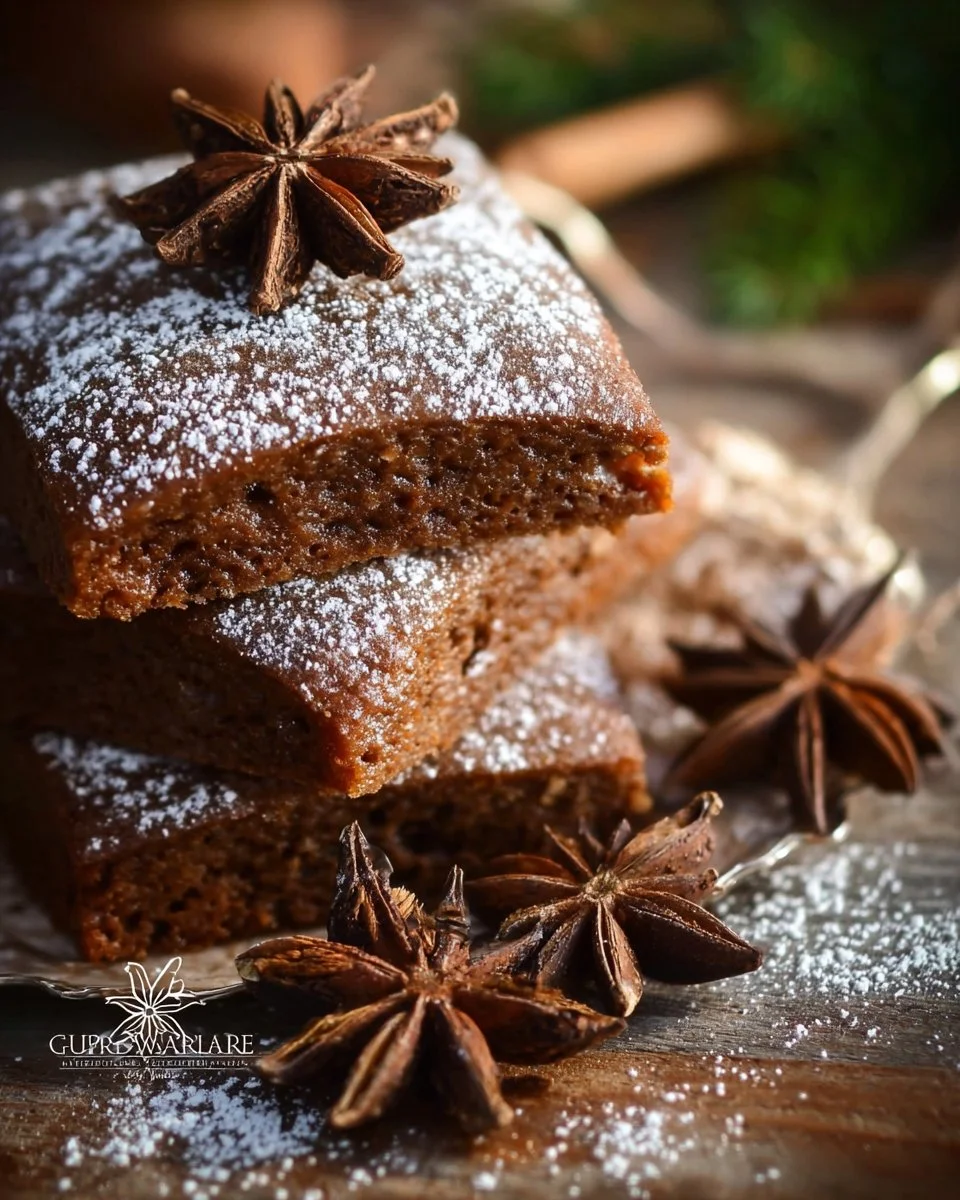
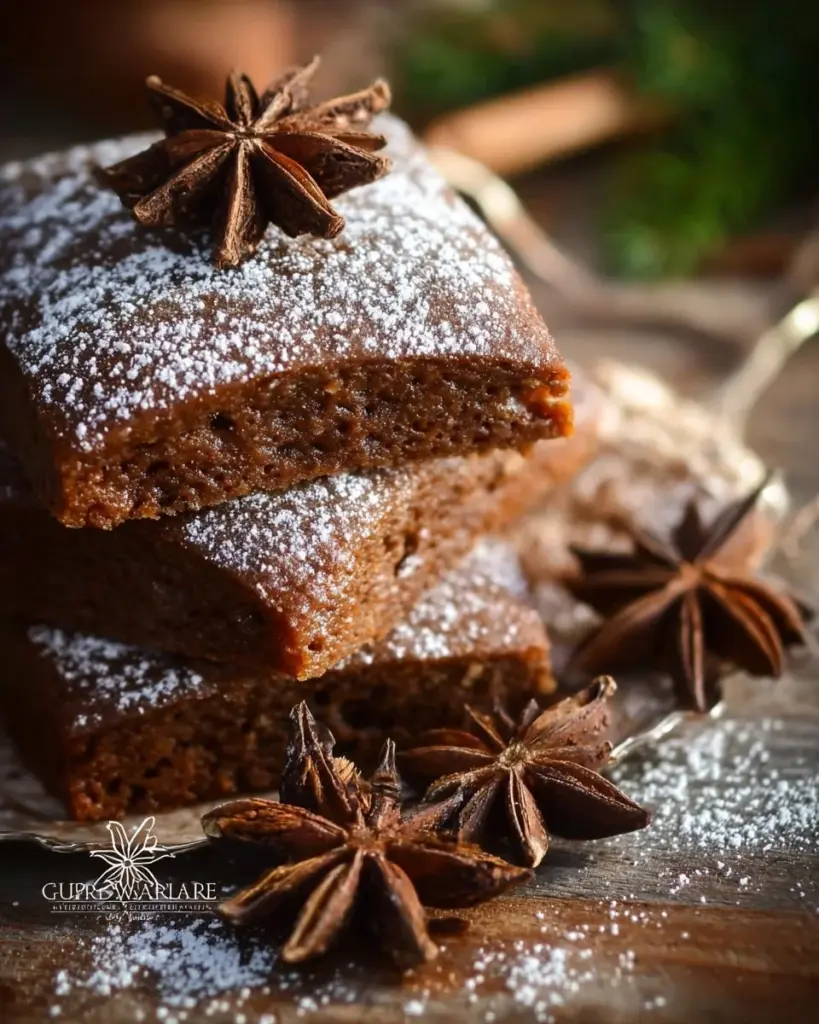
Cool and Dust: Allow to cool before cutting into squares. Dust generously with powdered sugar before serving.
Expert Tips & Tricks
Storage Recommendations: Store cooled gingerbread in an airtight container at room temperature for up to a week. For longer freshness, refrigerate for up to two weeks.
Make-Ahead: These gingerbreads taste even better after a day or two, allowing the flavors to meld beautifully.
Troubleshooting: If your gingerbread is too dry, you may have added too much flour—keep a careful eye while measuring!
Freezing: You can freeze the gingerbread squares for up to three months; just ensure they are well-wrapped.
Flavor Adjustments: Experiment with adding a splash of vanilla extract for an extra layer of flavor!
Serving Suggestions
Serve these delightful German Gingerbread squares with a hot cup of spiced tea or coffee for a cozy treat. Pair them with a dollop of whipped cream or a scoop of vanilla ice cream for a delightful dessert that’ll impress guests. They’re perfect for holiday gatherings, cozy nights in, or even as edible gifts in festive packaging.
For a touch of elegance, arrange on a decorative plate and drizzle with chocolate or caramel sauce. You can even layer them in a jar with a ribbon for a charming homemade gift!
Variations & Substitutions
- Flavor Combinations: Try adding other spices like cloves or allspice for a twist on the traditional flavor.
- Nut-Free Options: Omit the nuts for a gluten-free option, or swap them for seeds or dried fruit to maintain texture.
- Seasonal Variations: Incorporate pumpkin spice for an autumnal touch or peppermint for a refreshing winter variation.
Nutrition & Storage Info
- Prep Time: 20 minutes
- Cook Time: 30 minutes
- Total Time: 50 minutes
- Yield: Approximately 16 servings
- Estimated Calories: About 180 calories per square
- Storage Instructions: Keep at room temperature for up to a week, or refrigerate for two weeks. Freeze for up to three months.
FAQ Section
How can I tell when my gingerbread is done?
- You can check for doneness by inserting a toothpick into the center. If it comes out clean, your gingerbread is ready!
How do I make my gingerbread more spicy?
- Feel free to increase the amount of ginger or add additional spices like cloves or cardamom to suit your taste.
What can I use instead of honey?
- Maple syrup or agave nectar can be used as substitutes, but the flavor will vary slightly.
Can I use whole wheat flour?
- Yes, you can substitute half of the all-purpose flour with whole wheat flour for added nutrition.
How long do they stay fresh?
- These gingerbread squares will stay fresh for up to a week at room temperature or longer in the fridge.
Is there a vegan option?
- You can swap honey with maple syrup or agave, and use a flax egg in place of any egg used.
Why is my gingerbread hard?
- Overbaking can lead to hard gingerbread; ensure you’re taking them out of the oven once’s set.
Can I decorate them?
- Absolutely! Feel free to ice them with royal icing or melt chocolate for a lovely coating.
What to do with leftover gingerbread?
- Try crumbling leftover gingerbread over yogurt or ice cream for a delightful crunch.
Are they gluten-free?
- To make gluten-free German Gingerbread, substitute the all-purpose flour with a gluten-free flour blend.
Conclusion
This German Gingerbread recipe is not just about baking; it’s about making cherished memories filled with warmth, laughter, and love. It’s a delicious treat that transcends generations—each bite will take you back to cozy times with family and friends.
I hope you’ll make this recipe your own and share it with those you love. I’d love to hear how it turns out for you—leave a comment below! Don’t forget to check out my other holiday recipes for even more festive inspiration.
- Gingerbread Oatmeal Cream Pies
- Gingerbread Cinnamon Rolls
- Sticky Cranberry Gingerbread
- Gingerbread Crinkle Cookies
Happy baking!
German Gingerbread
Ingredients
Method
- Preheat your oven to 350°F (175°C) and grease a baking dish (about 9×13 inches).
- In a mixing bowl, combine honey, brown sugar, and water. Stir until well blended—this should take about 2 minutes.
- In another bowl, whisk together the flour, baking soda, salt, ginger, cinnamon, and nutmeg.
- Gradually add the dry mixture into the wet mixture, stirring until a sticky dough forms.
- Gently fold in the chopped nuts and candied orange peel if using.
- Pour the dough into your prepared baking dish and spread it evenly.
- Place the dish in the oven and bake for 25-30 minutes, or until set and lightly golden.
- Insert a toothpick to check for doneness; it should come out clean.
- Allow to cool before cutting into squares.
- Dust generously with powdered sugar before serving.