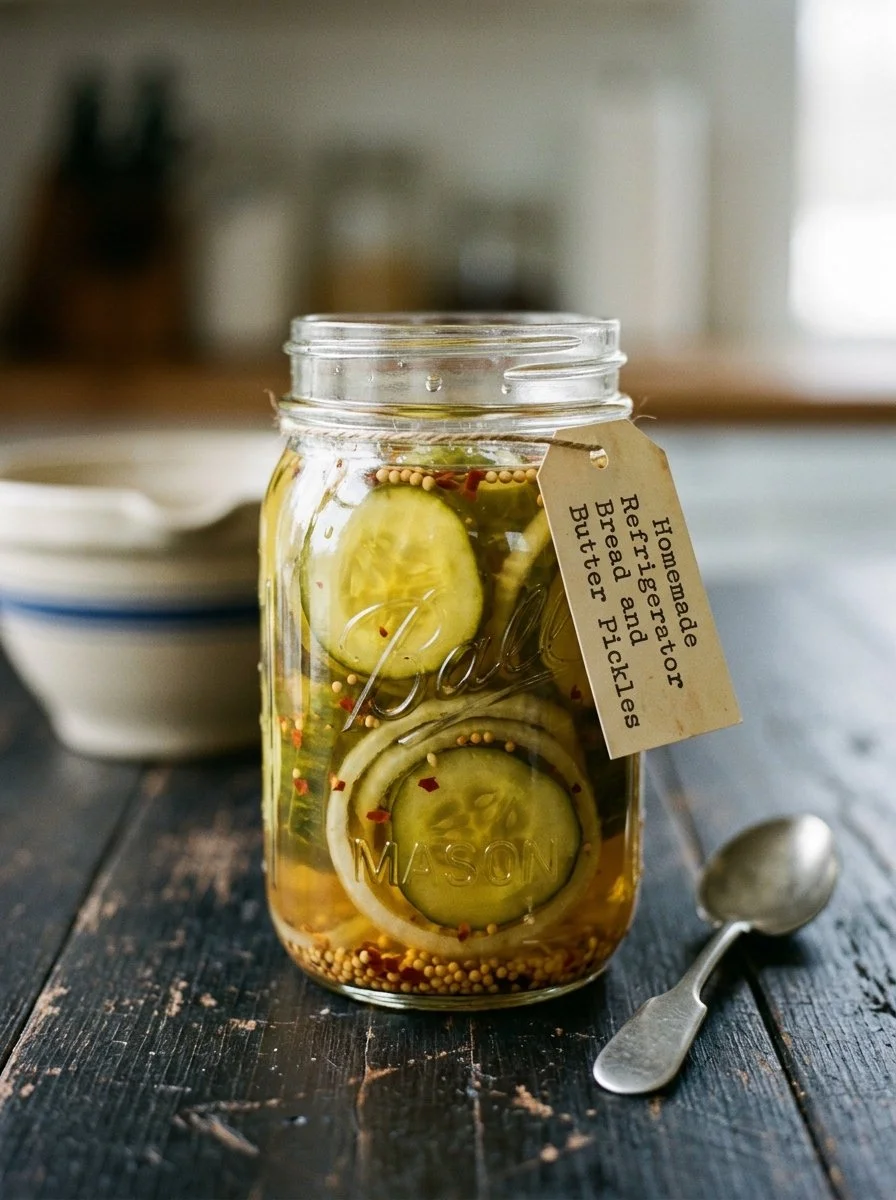
Easy and Delicious Homemade Refrigerator Bread and Butter Pickles
Biting into a homemade bread and butter pickle is an experience that tantalizes all your senses. The satisfying crunch sends a delightful sound echoing through your mouth, while the tangy, sweet aroma dances in the air as the pickles hit your taste buds. Each slice is a perfect blend of flavors, leaving a refreshing, slightly sweet finish that makes you crave another bite. You may also find Cornbread Sandwich Cookies useful.
The Origin & Heritage
Homemade refrigerator bread and butter pickles have roots deep in American culinary tradition, often harking back to summer afternoons in “Grandma’s kitchen.” It’s a tradition born out of necessity; preserving cucumbers and other vegetables in vinegar was a way to make them last beyond the harvest season. These pickles were often served at picnics and barbecues, invoking warm memories of family gatherings filled with laughter and shared stories. This nostalgic comfort makes each bite a delicious reminder of heritage and love woven into every jar.
The Science of Flavor
Understanding why these ingredients create such a harmony in flavor can help elevate your pickling skills. Here are five factors at play:
- Vinegar’s acidity balances the sweetness of sugar, creating a delightful contrast.
- Mustard seeds add a complex flavor profile, grounding the pickles with earthy notes.
- Celery seeds introduce a light, herbaceous hint that enhances freshness.
- Turmeric brings both vibrant color and a warm flavor, adding depth.
- Onions introduce a savory element that rounds out the dish beautifully.
The Ingredients
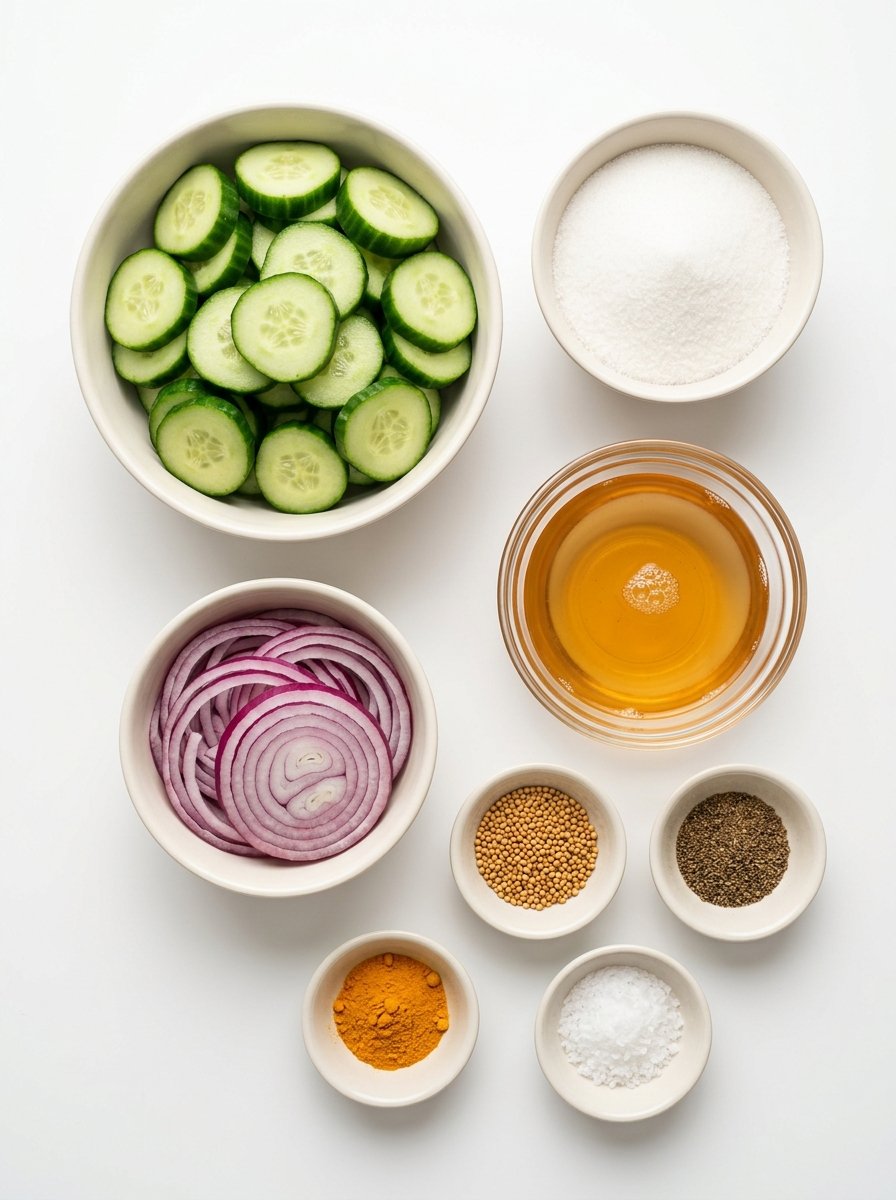
Ingredients:
- 2 large cucumbers, sliced
- 1 cup sugar
- 1 cup apple cider vinegar
- 1 teaspoon mustard seeds
- 1 teaspoon celery seeds
- 1/2 teaspoon turmeric
- 1 small onion, thinly sliced
- Salt to taste
Quality Hack:
- For the cucumbers, choose fresh and firm varieties such as English cucumbers for the best crunch.
- Opt for organic apple cider vinegar, as it typically has more nuanced flavors that enhance your pickling.
The Masterclass Instructions
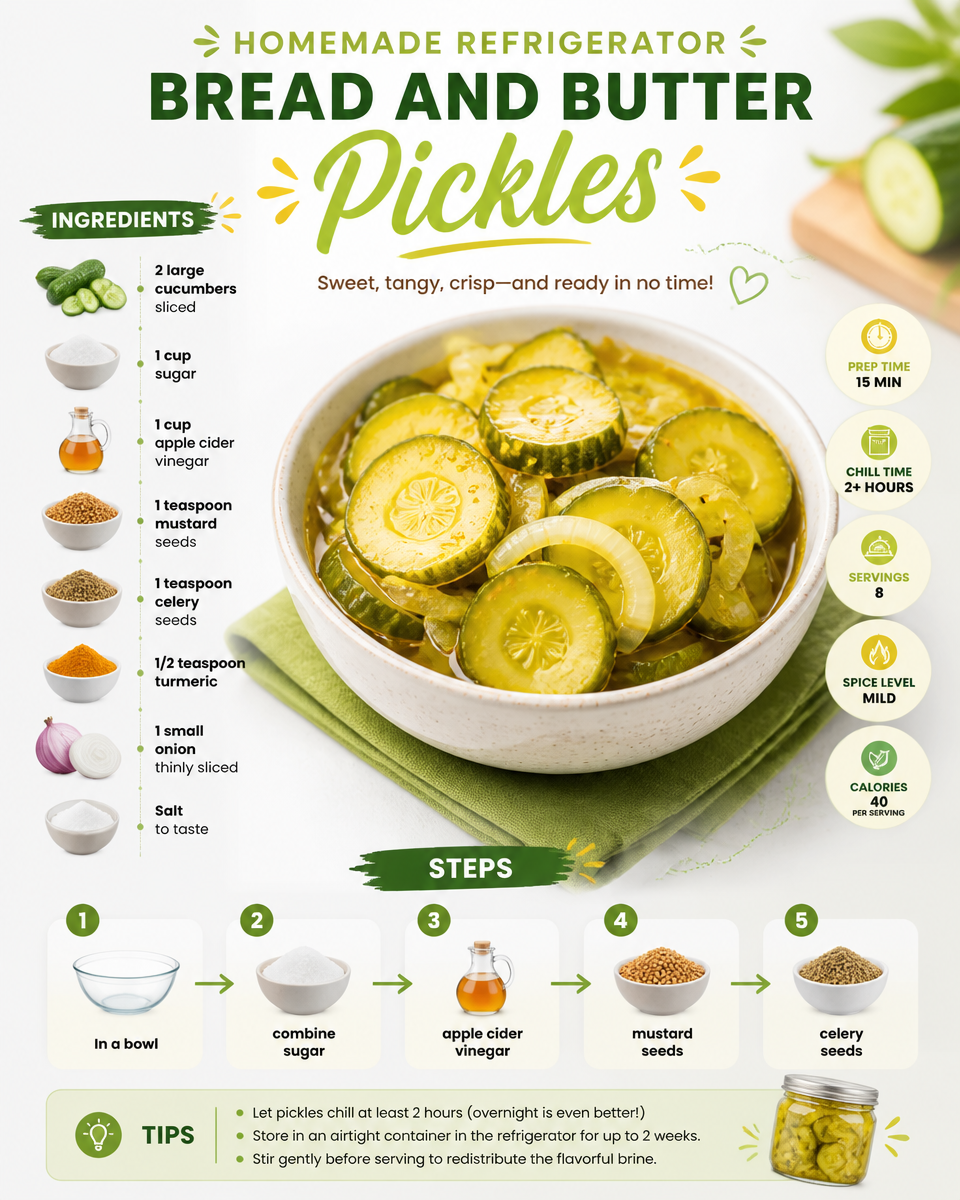
To make these delightful pickles, follow these detailed steps:
In a bowl, combine the sugar, apple cider vinegar, mustard seeds, celery seeds, turmeric, and sliced onions. Stir well until the sugar dissolves completely, ensuring a harmonious blend of flavors.
Add the sliced cucumbers and gently mix them to coat each piece thoroughly with the liquid.
Transfer the cucumber mixture into a clean jar, pressing down so that the cucumbers are submerged in the liquid.
Seal the jar tightly and refrigerate it for at least 24 hours. This waiting period will allow the flavors to meld beautifully.
Enjoy these tangy-sweet pickles; they can be kept in the refrigerator for up to 2 weeks!
A Healthier Perspective
To boost the nutritional value of your bread and butter pickles, consider these tips:
- Swap refined sugar for monk fruit to reduce calories without sacrificing sweetness.
- Add seeds, such as chia or flaxseed, during the pickling process for an extra kick of fiber.
- Cucumbers, the primary ingredient, are low in calories and high in water content, making them a refreshing addition to your diet.
The health benefits of cucumbers extend beyond calorie count—they’re also rich in antioxidants, which can help reduce inflammation and promote overall health.
The Troubleshooter
When making your homemade refrigerator pickles, you might encounter some common issues:
Why did my pickles turn mushy?
- This typically happens if the cucumbers were older or not fresh enough. Always choose firm, young cucumbers for the best texture.
Why are my pickles too sweet?
- Adjust the sugar according to your personal taste. If you prefer a more balanced flavor, consider reducing the sugar by a couple of tablespoons.
Why didn’t my pickles develop much flavor?
- Ensure that you let the pickles marinate for at least 24 hours. The longer they sit, the more pronounced the flavor will be.
The Art of Serving
To serve your homemade refrigerator bread and butter pickles, consider a simple platter garnished with fresh herbs for color. They pair excellently with grilled meats, adding a refreshing zing to barbecues. For drinks, a chilled glass of homemade lemonade or iced tea complements the sweetness of the pickles beautifully.
The Dietary Lab
If you’re looking to make these pickles suitable for different dietary needs:
- Vegan: This recipe is already vegan-friendly; it contains no animal products.
- Gluten-Free: Naturally, this recipe is gluten-free. Just ensure that your vinegar is certified free from gluten.
- Keto: To adapt this for a keto diet, swap sugar with a keto-friendly sweetener like erythritol or allulose.
Storage & Revival
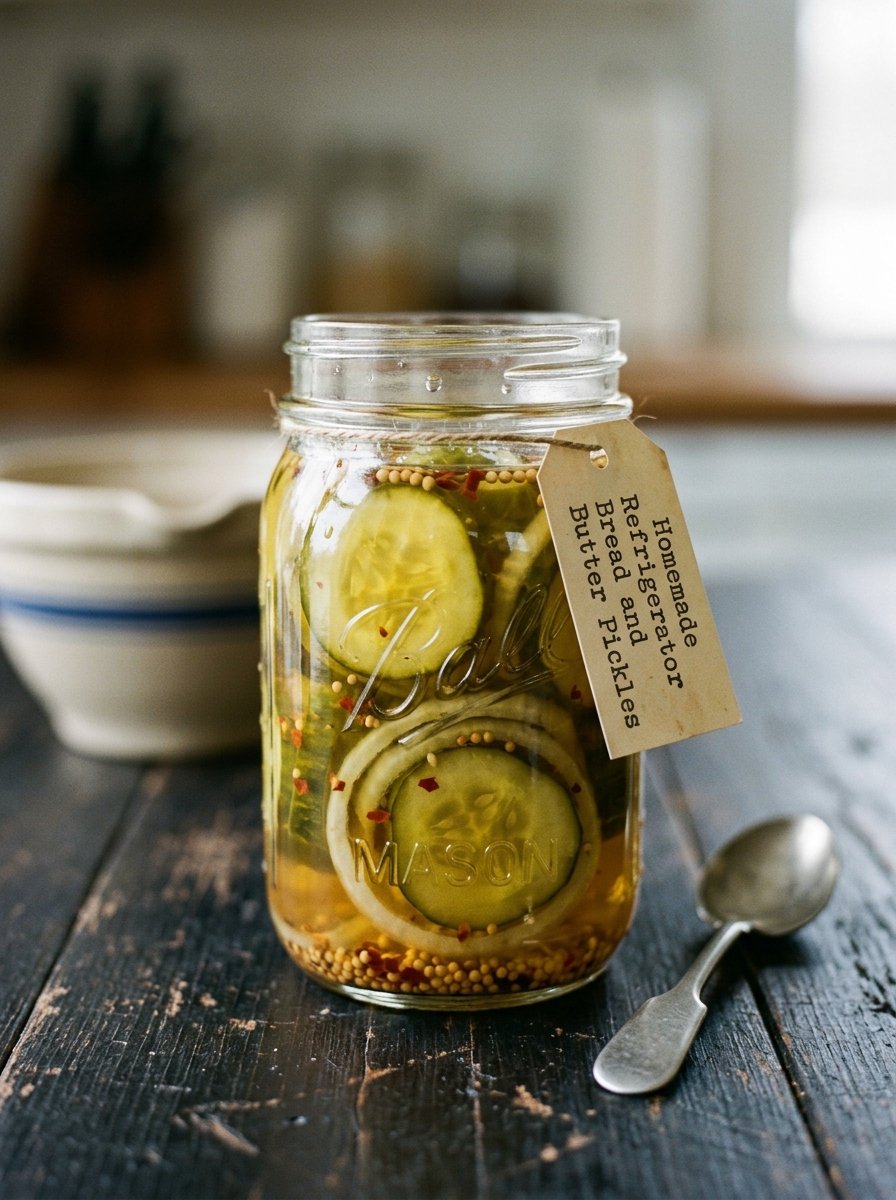
Yield: Approximately 1 quart
Prep Time: 15 minutes
Cook Time: None
To enjoy these delightful pickles later, store them in the refrigerator. The Revival Rule: Avoid reheating pickles in the microwave, as it will soften their crunch. Instead, serve directly from the refrigerator for the best flavor and texture.
FAQ
How long can I keep these pickles in the fridge?
These pickles can be kept in the refrigerator for up to 2 weeks without losing their flavor.
Can I use white vinegar instead of apple cider vinegar?
Yes, white vinegar can be used, but it may give a sharper tang compared to apple cider vinegar.
Will the pickles get sweeter over time?
Yes, the flavors will continue to develop as the pickles sit in the brine, which may enhance the sweetness.
Can I add other vegetables to this recipe?
Absolutely! Carrots or bell peppers are great additions that you can mix in with the cucumbers.
What if I run out of jars?
You can store the mixture in any airtight container, but glass jars work best for preserving flavor.
Can I double the recipe?
Yes, simply double the ingredients as long as you have a sufficiently sized container for storage.
Do I need to process these pickles?
No, these pickles do not require processing since they are refrigerator pickles.
How are refrigerator pickles different from canned pickles?
Refrigerator pickles are not sealed for long-term storage and are typically eaten within a few weeks, as opposed to canned pickles, which can last for months or years.
What kind of sugar can I use?
You can use granulated sugar, but alternatives like coconut sugar or monk fruit sweetener work well too.
How do I know if my pickles have gone bad?
If you see any signs of mold or unusual odors, it’s best to discard the pickles.
The Final Bite
Making your own Homemade Refrigerator Bread and Butter Pickles is an easy way to enjoy this classic treat while reminiscing about family traditions. Leave a comment below if you tried the Homemade Refrigerator Bread and Butter Pickles! You might also enjoy pairing them with garlic and butter flatbread, serving them alongside butter steak bites, or delighting in the sweetness of buttery shortbread cookies.
Conclusion
Experimenting with homemade refrigerator pickles can truly take your culinary skills to new heights. For more detailed recipes, you can find excellent resources like Brown Eyed Baker’s take on refrigerator bread and butter pickles or explore another perspective with Dish ‘n’ the Kitchen’s version. Enjoy your pickling adventure!