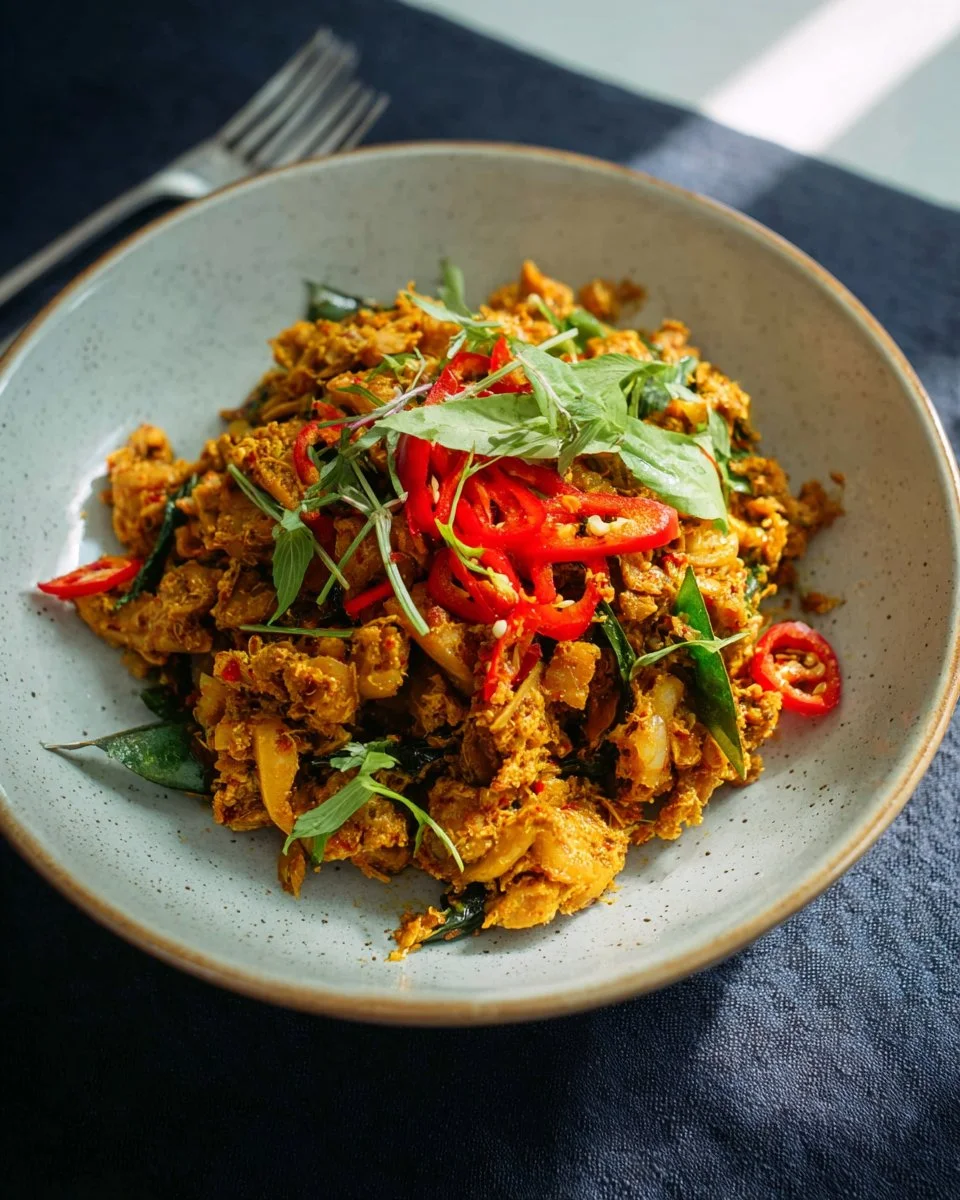
Sizzling Hot Thai Tuna: A Flavor-Filled Journey to Your Table
Imagine walking into your kitchen, the tantalizing aroma of Thai spices wafting through the air, making your mouth water in anticipation. That’s exactly how I felt the first time I made Hot Thai Tuna. It was a rainy Saturday, and I craved something comforting yet adventurous. Little did I know, I was about to discover a dish that would quickly become a family favorite.
What makes Hot Thai Tuna so special is its perfect harmony of flavors and textures. The tender flakes of tuna meet the rich, aromatic spices of red curry and lemongrass, creating a dish that’s both indulgent and nutritious. Unlike other tuna recipes, which can be bland and uninspired, this one packs a flavorful punch that transports you straight to the bustling streets of Bangkok.
Growing up, my family often gathered around the table to share meals rich in culture and flavor. It was during those moments that I learned the joy of cooking and the beauty of sharing food with loved ones. This recipe evokes those memories, combining simplicity and flavor in a way that leaves you feeling satisfied and content.
So, if you’re ready to spice up your dinner routine and impress your friends and family with a dish that’s as vibrant as it is delicious, keep reading. You’re about to learn how to make your own Hot Thai Tuna and add a twist to your meal rotation!
What Are Hot Thai Tuna?
Hot Thai Tuna is a delightful fusion of Southeast Asian flavors, combining the mild, tender flesh of tuna with a medley of aromatic ingredients and spices. This dish hails from the heart of Thai cuisine, where fresh, vibrant flavors take center stage. Its unique blend of red curry paste, lemongrass, and aromatic herbs gives it a distinct taste that’s both comforting and exhilarating.
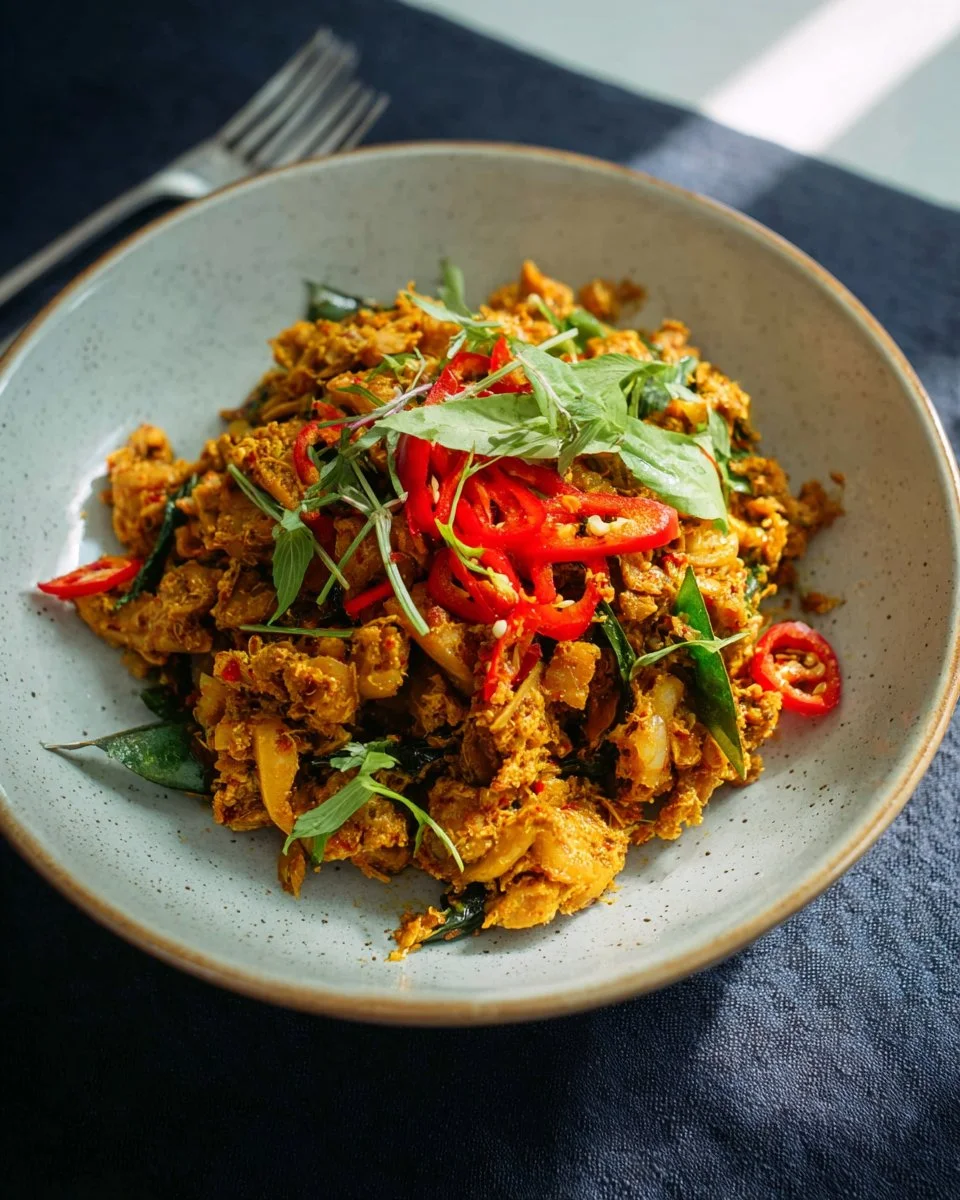
When you take your first bite, the explosion of flavors dances on your tongue. The creamy richness of the tuna is balanced by the fiery depth of the curry and the refreshing hints of lime leaves and cilantro. The texture is equally satisfying; the tuna flakes become tender yet crumbly, enveloped in a thick, flavorful sauce that clings to every morsel.
So, when should you make Hot Thai Tuna? It’s perfect for a busy weeknight dinner, a cozy get-together with friends, or even as a fun meal prep option for lunches. With the right ingredients, you can turn a humble can of tuna into a gourmet dish in just a matter of minutes!
Why You’ll Love This Recipe
Here are just a few reasons you’ll absolutely love my Hot Thai Tuna recipe:
Authentic Flavors, Minimal Effort: This recipe brings the authentic taste of Thai cuisine to your dinner table without the need for a chef’s expertise. It’s an easy recipe that’s quick to whip up, making it perfect for busy weeknights.
Budget-Friendly: Unlike most restaurant meals, making Hot Thai Tuna at home is not only easier but also more economical. With just a couple of cans of tuna and affordable ingredients, you can serve a gourmet dish for half the price.
Customizable: Whether you’re a spice lover or someone who enjoys a milder dish, this recipe can be tailored to suit your palate. You can easily adjust the amount of red curry paste and chilies to get the heat level just right for your taste.
Perfect for Meal Prep: Hot Thai Tuna is fantastic for make-ahead meals. Pack it into containers for a week’s worth of office lunches or a quick dinner afterward. It stays flavorful for days!
A Showstopper: This dish is sure to impress guests. The vibrant colors and the aromatic smells will have everyone asking for the recipe. You’ll feel like a culinary rockstar with each bite!
You’ll find that this delightful recipe stands head and shoulders above store-bought and restaurant options. Say goodbye to the mundane, and get ready to savor a dish that sparks joy and excitement at every meal.
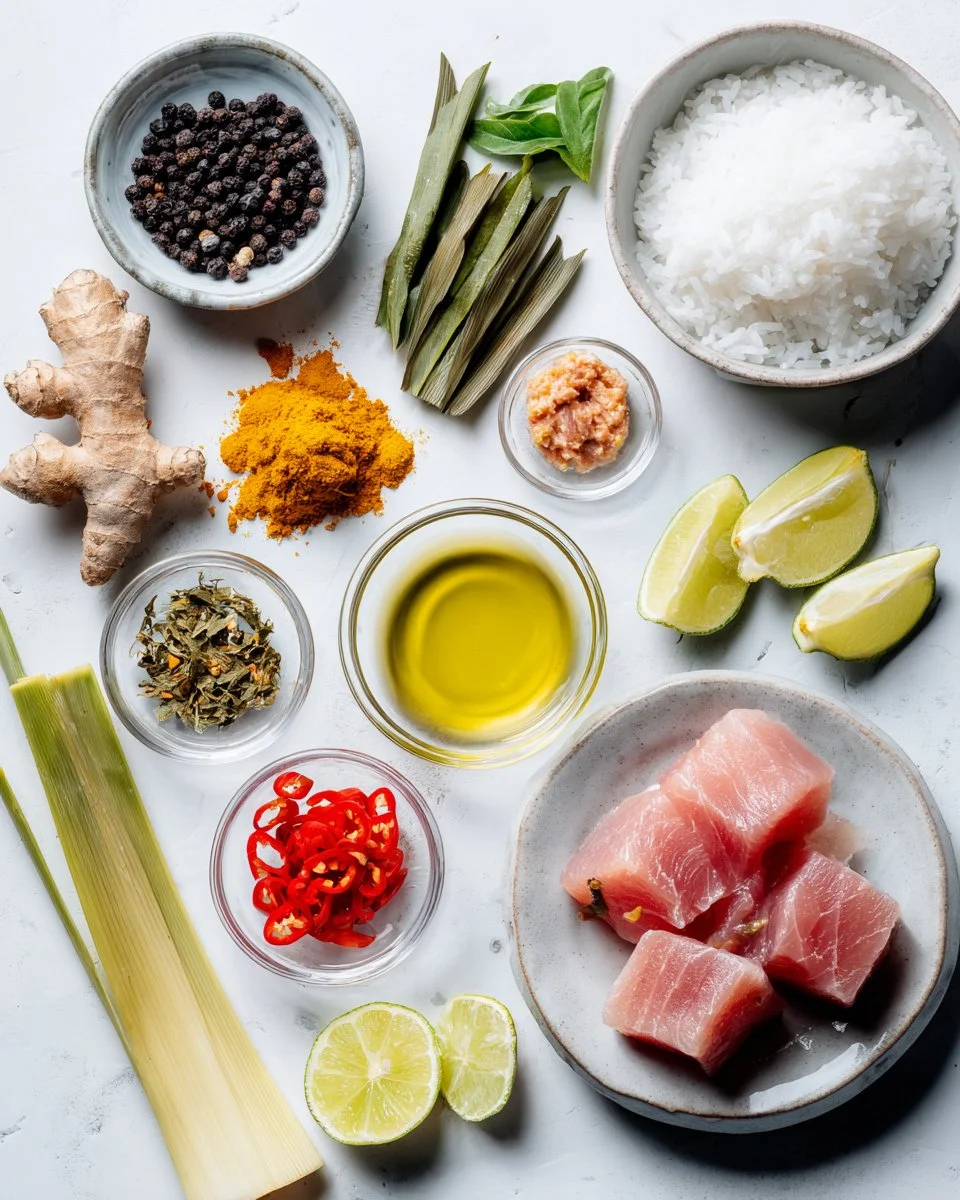
Ingredients
Here’s everything you’ll need to make your own Hot Thai Tuna at home:
- 1/2 teaspoon black peppercorns: Adds a fragrant kick.
- 1 1/2 inch turmeric root, sliced (or 1 teaspoon ground turmeric): This lovely yellow root is key for warmth and color.
- 3 tablespoons red curry paste: Choose a good-quality brand like Thai Kitchen for robust flavors.
- 1 teaspoon fermented shrimp paste (gapi): Adds umami richness.
- 2 cans tuna, no salt added (260g total drained weight): I recommend looking for good quality tuna packed in water.
- 2 to 3 tablespoons neutral oil: Used for frying; canola or sunflower oil works well.
- 1 stalk lemongrass, bottom half only, thinly sliced: Try to find fresh lemongrass for the best intense flavor.
- 3 to 4 makrut lime leaves, thick stems removed, thinly julienned: These lend a unique citrus scent.
- 1 tablespoon palm sugar, finely chopped: Balances the flavors perfectly.
- Fish sauce, to taste: Don’t skimp; this is essential for that authentic flavor.
- Chopped cilantro garnish, optional: A fresh touch on top.
- Red and green chilies for garnish, optional: For those who love the heat; bell pepper can be used for color without the spice.
- Jasmine rice or congee for serving: This dish pairs excellently with jasmine rice or a comforting bowl of congee.
Ingredient Quality and Preparation Notes
- Use fresh ingredients whenever possible. They greatly enhance the overall taste.
- Store-bought variations of red curry paste can be good, but try to pick one that’s free from preservatives for the best flavor.
- Allow your tuna to sit at room temperature if it’s been stored in the fridge.
Step-by-Step Instructions
Ready to cook up some Hot Thai Tuna? Follow these detailed steps:
Make the Curry Paste:
- Start by grinding the black peppercorns in a mortar until fine. Add the sliced turmeric and grind into a fine paste. Next, add the red curry paste and shrimp paste, pounding to combine everything nicely. The aroma will be heavenly!
Make the Stir Fry:
- Heat your wok over medium heat and add the neutral oil. If your tuna is packed in water, use 3 tablespoons of oil. If it’s packed in oil, you can reduce this to 2 tablespoons. Once hot, add the prepared curry paste and sauté for about 2 minutes until aromatic.
Mix in the Palm Sugar:
- Add the palm sugar, stirring until it dissolves into the mix. If the mixture looks too dry, add a small splash of water to loosen it up.
Incorporate the Tuna:
- Add the drained tuna to the wok. Stir gently, mixing it with the curry paste until it is well-coated, and cook until the mixture becomes dry and crumbly. About 4-5 minutes should do.
Final Touches:
- Stir in the sliced lemongrass, julienned lime leaves, and optional chilies. Toss to combine, and then turn off the heat.
Taste and Garnish:
- Taste your creation and add fish sauce as needed to elevate those flavors. Toss in cilantro just before serving for a fresh finish.
Keep in mind: The key is to not overcook your tuna, as you want it to remain tender!
Chef’s Tip: Keep a close eye on the heat to prevent burning the curry paste. It should sizzle and aroma should fill your kitchen – a sign it’s almost ready!
Expert Tips & Tricks
To ensure your Hot Thai Tuna turns out perfectly every time, consider these tips:
Freshness Matters: Fresh lime leaves and lemongrass will give your dish that distinct Thai flavor profile. If you can’t find them, try Asian grocery stores or online.
Dividing Ingredients: Feel free to prepare your curry paste and tuna mix in advance, then combine when you’re ready to serve. It saves time and helps the flavors meld!
Storing Leftovers: If you have leftovers, store them in an airtight container in the fridge for up to 3 days. You can gently reheat it on the stove when you’re ready.
Make Ahead: To save even more time, whip up a large batch of the curry paste and store it in ice cube trays. When you’re ready, pop a cube or two into the pan with tuna for a quick meal.
Troubleshooting: If your paste feels too thick or dry when cooking, don’t hesitate to add a small splash of water. It will help loosen up the mixture without compromising flavor.
Serving Suggestions
Hot Thai Tuna pairs beautifully with a bowl of steaming jasmine rice or a warm congee. For a complete meal, serve it alongside a crisp cucumber salad dressed in rice vinegar, or add a side of roasted vegetables for extra nutrients.
Presentation is key with this dish; consider plating it in a shallow bowl, garnished with chopped cilantro and sliced chilies. You might even want to squeeze a little lime juice over it for an added zest before serving.
This dish is perfect for casual dinners, a cozy night in, or even for impressing guests during a gathering. Whether it’s a weeknight or a celebration, Hot Thai Tuna makes any occasion feel special.
Variations & Substitutions
One of the best parts of cooking is the ability to experiment! Here are some variations and substitutions you can consider:
For a Spicy Kick: Add some sriracha or extra red chili flakes to the mix for those who crave heat.
Vegetarian/Vegan Option: Substitute the tuna with chickpeas or tempeh for a plant-based twist that still holds up beautifully in flavor.
Seasonal Variations: Feel free to toss in seasonal vegetables like bell peppers, green beans, or snap peas for added nutrition and a pop of color.
Low Sodium: If you’re watching your sodium intake, look for low-sodium versions of fish sauce, or substitute with a splash of soy sauce mixed with lime juice.
Herbs: Experiment with fresh basil or mint in place of cilantro for a different herbaceous note.
Nutrition & Storage Info
- Prep Time: 15 Minutes
- Cook Time: 15 Minutes
- Total Time: 30 Minutes
- Yield: 4 Servings
- Estimated Calories: 350 calories per serving
Storage Instructions:
- Room Temp: Not recommended.
- Fridge: Store leftovers in an airtight container for up to 3 days.
- Freezer: You can freeze the curry paste separately for up to 3 months. The tuna mix is best enjoyed fresh.
FAQ Section
Can I use fresh tuna instead of canned?
Absolutely! If using fresh tuna, sear it until it’s just cooked through before mixing it with the curry paste.Is this dish spicy?
The spiciness largely depends on the amount of red curry paste and chilies you use. Adjust to your taste!Can I make this gluten-free?
Yes! Just substitute the fish sauce with a gluten-free soy sauce.What if I can’t find makrut lime leaves?
Fresh lime zest can be a decent substitute for the aromatic notes.How do I know if the tuna is done cooking?
You want the tuna to flake easily and not be mushy. Keep stirring until it reaches a crumbly consistency.Can I serve this cold?
While it’s typically served warm, this dish can be eaten cold as a salad topping or sandwich filling.Do I need to add sugar?
The palm sugar balances the savory flavors, but you can omit it if you prefer. Just be aware it might alter the flavor profile.What types of rice work best?
Jasmine rice is the classic pairing, but you could also serve with brown rice or cauliflower rice for a healthier option.Can this recipe be doubled?
Yes! Just scale the ingredients accordingly, and ensure you have a large enough skillet or wok.How can I make this dish dairy-free?
This recipe is naturally dairy-free. Just ensure any curry paste you use is dairy-free as well.
Conclusion
In summary, this Hot Thai Tuna recipe is a delightful way to bring the vibrant flavors of Thai cuisine into your home. It’s simple, quick, and incredibly satisfying, making it a hit for both weeknight dinners and special occasions alike. I encourage you to try it—you might just find yourself falling in love with this dish, just as I did!
I would love to hear your thoughts once you give it a go. What did your family think? Did you make any creative adjustments? Check out my other related recipes on the blog to keep those taste buds dancing!
Happy cooking!
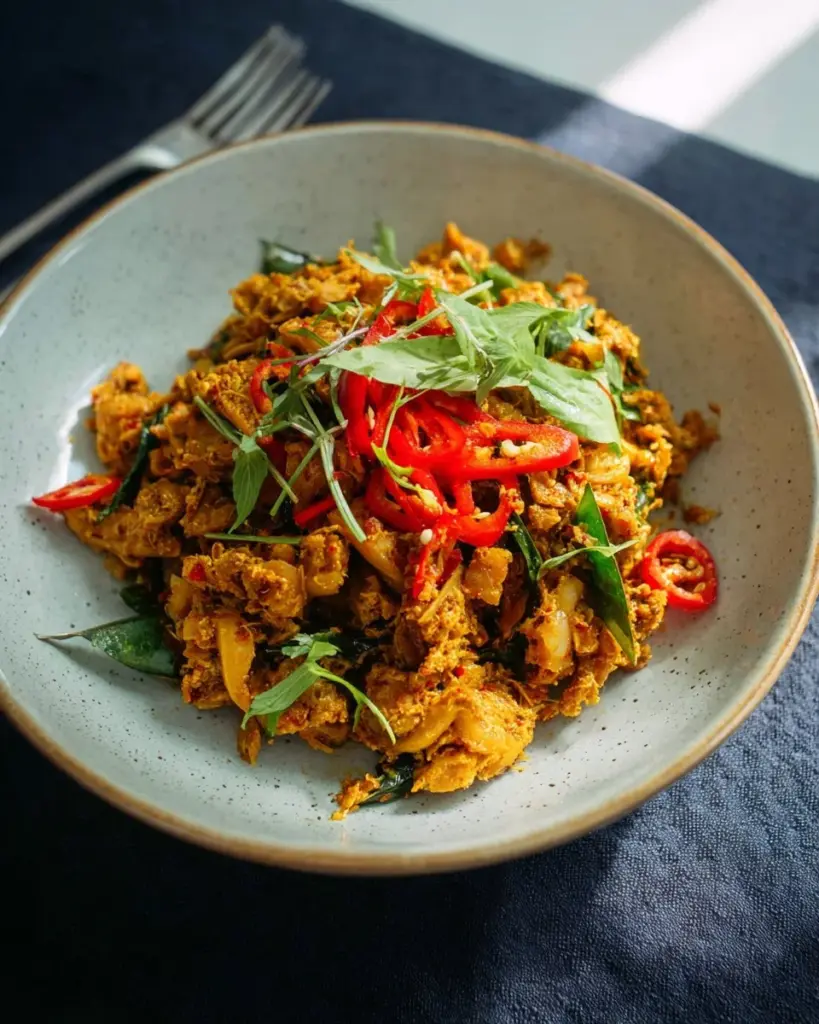
Hot Thai Tuna
Ingredients
Method
- Grind the black peppercorns in a mortar until fine. Add the sliced turmeric and grind into a fine paste. Next, add the red curry paste and shrimp paste, pounding to combine everything nicely.
- Heat your wok over medium heat and add the neutral oil. Once hot, add the prepared curry paste and sauté for about 2 minutes until aromatic.
- Add the palm sugar, stirring until it dissolves. If the mixture looks too dry, add a small splash of water.
- Add the drained tuna to the wok, stirring gently until well-coated. Cook until the mixture becomes dry and crumbly—about 4-5 minutes.
- Stir in the sliced lemongrass, julienned lime leaves, and optional chilies. Turn off the heat, taste, and add fish sauce as needed. Toss in cilantro just before serving.