Table of Contents
Table of Contents
Fluffy Sponge Cake: The Ultimate Comfort Food Recipe You’ll Love!
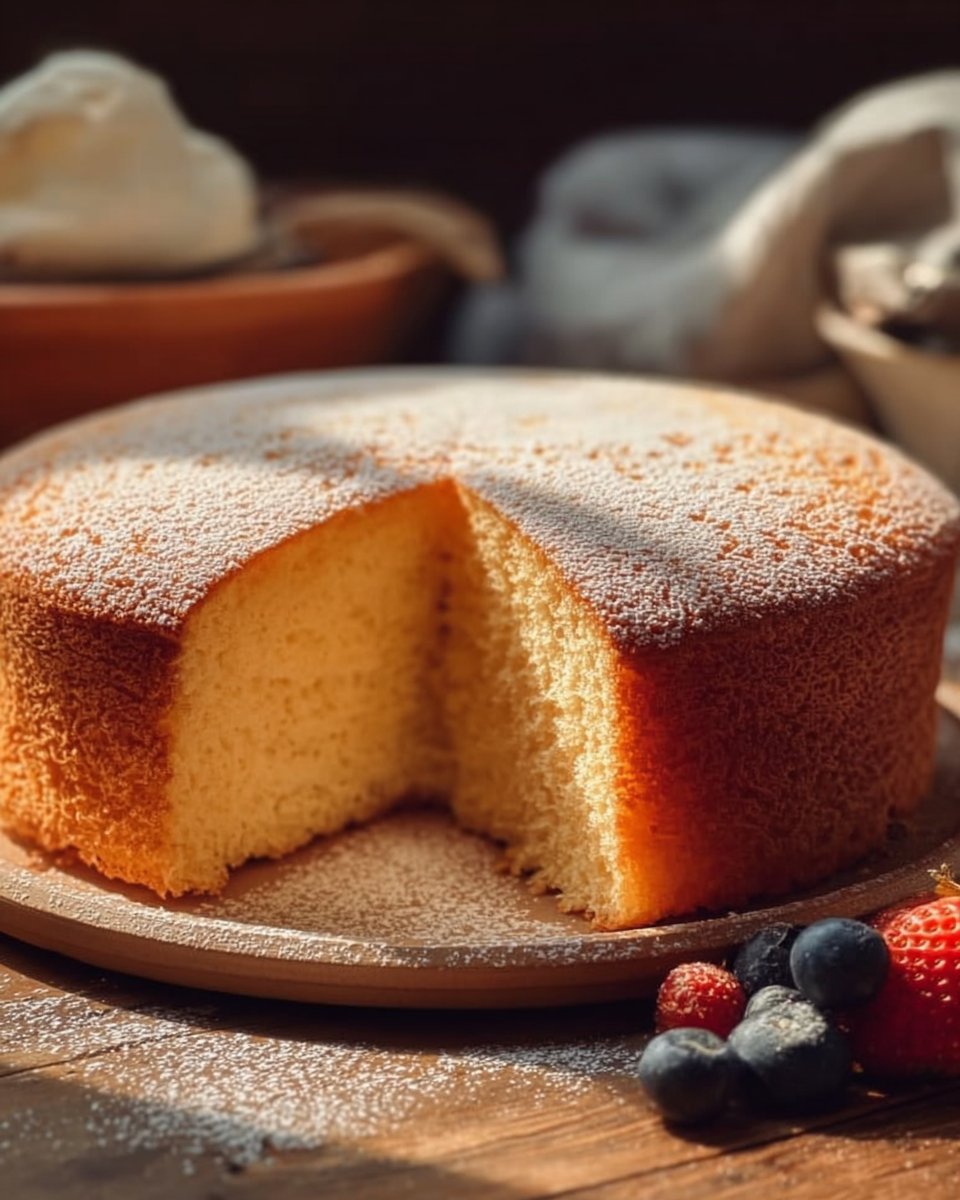
Growing up, weekends meant one thing in my house: baking days with my mom. The kitchen would fill with warm smells and laughter, as we whipped up her famous sponge cake. It was light and airy, just the way a sponge cake should be—a delightful treat that evoked comfort and nostalgia in every bite. Each slice was a canvas for fresh whipped cream, luscious fruits, or just a dusting of powdered sugar.
What makes this sponge cake recipe special? Well, it’s not just about the ingredients; it’s about the love and craftsmanship that goes into every step. Unlike many store-bought cakes that can be dense or overly sweet, this sponge cake recipe yields a light, fluffy cake that melts in your mouth. I’ve spent years perfecting it, tweaking and testing until it became a family favorite.
Through this post, I promise you’ll learn how to create your own remarkable sponge cake at home, equipped with insider tips and tricks that will turn your baking experience into joyful memories, just like mine!
What Are Sponge Cakes?
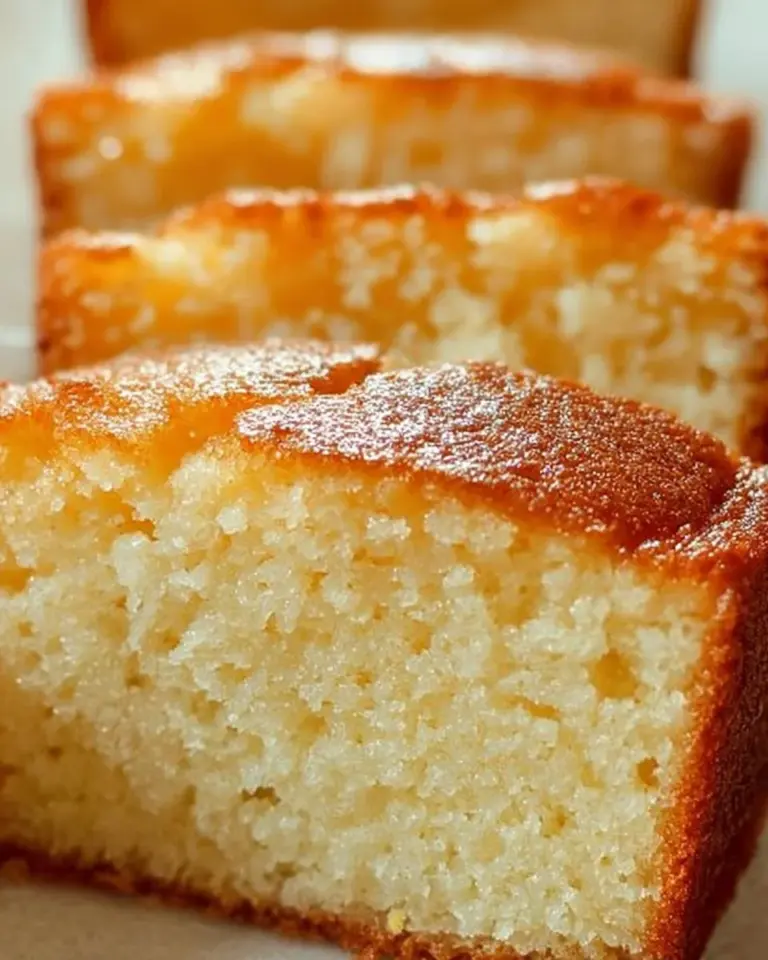
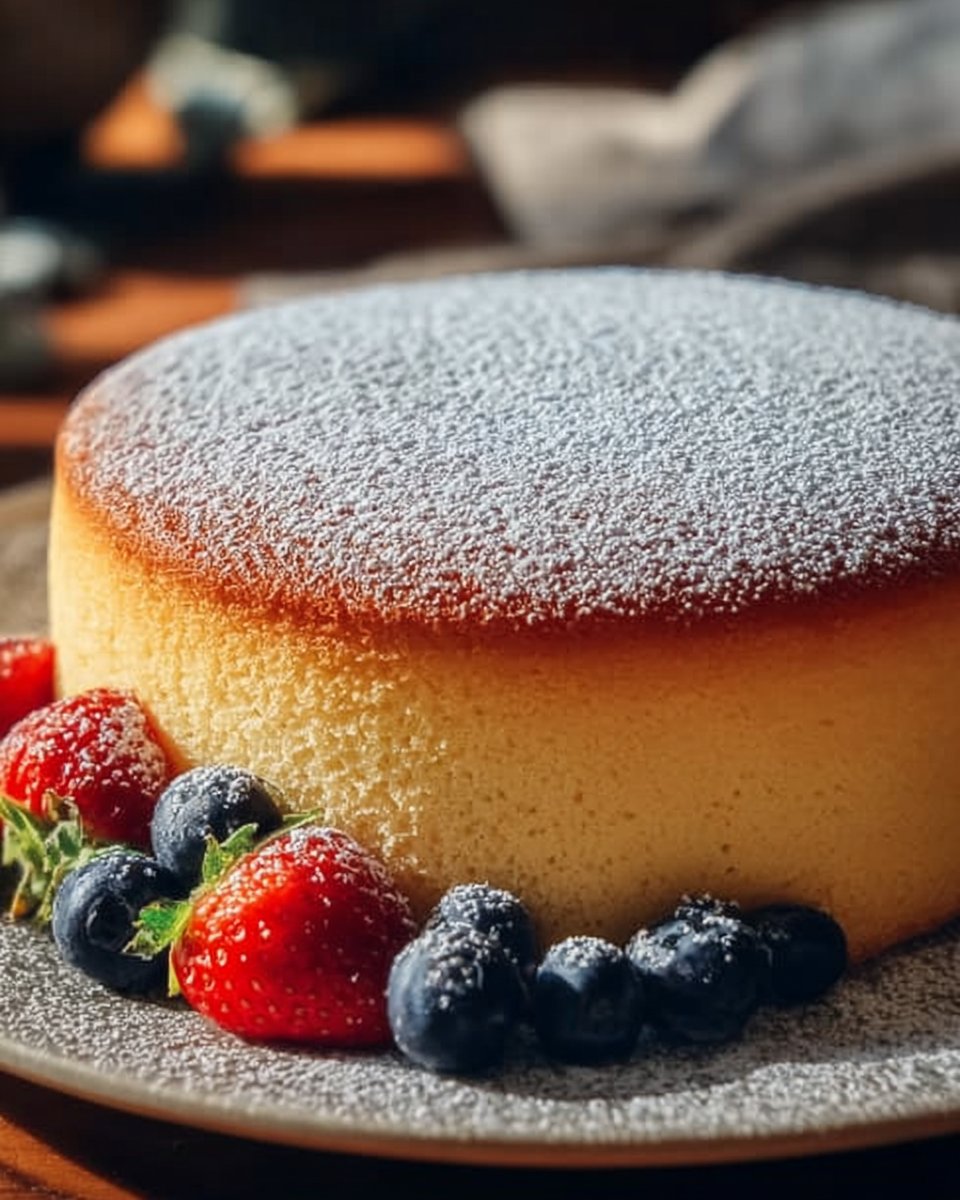
Sponge cakes are a classic baked treat that date back centuries and come from various culinary traditions around the world. The beauty of a sponge cake lies in its delightful texture—light, airy, and somewhat springy—which is achieved by incorporating whipped eggs and sugar into the batter. This process traps air bubbles that give the cake its unique lift.
Unlike traditional cakes that may rely on a leavening agent like baking powder, a true sponge cake uses the natural aeration of eggs. This gives it a soft, delicate crumb that is incredibly versatile. You can serve it plain or dress it up with whipped cream, fruit, or chocolate. Sponge cakes shine during celebrations like birthdays and holidays, making them a staple in many households. Their simplicity and elegance mean that they are perfect for both casual coffee breaks and formal gatherings.
Why You’ll Love This Recipe
Light, Airy Texture: I can promise that biting into a slice of this sponge cake feels like indulging in the clouds—utterly soft yet surprisingly satisfying.
Easy to Make: Don’t let fear hold you back! The straightforward steps mean that even novice bakers can successfully create this delicate cake at home.
Customization: Want to switch it up? This sponge cake serves as a fantastic base. Add citrus zest, cocoa powder, or even lavender for a personalized touch that signals your creative flair.
Cost-Effective: Baking your own sponge cake is not only a fun experience but also great for your wallet. It uses simple ingredients that you might already have in your pantry!
Healthier Option: Compared to many commercial cakes loaded with preservatives and artificial flavors, homemade sponge cake is made with wholesome ingredients and no additives.
Your time investment is minimal, too; with only about 30-40 minutes needed to whip up and bake this cake, you’ll have an impressive dessert that tastes like you spent hours in the kitchen.
Ingredients Section
- 4 large eggs (room temperature is best for maximizing volume)
- 1 cup sugar (granulated is ideal; for a subtler flavor, try a finer sugar)
- 1 cup all-purpose flour (feel free to substitute half with cake flour for a softer texture)
- 1 teaspoon vanilla extract (pure vanilla is encouraged over imitation for a richer taste)
- Powdered sugar for dusting (optional, but it gives a lovely presentation)
Chef’s Notes:
- Quality Matters: Use organic eggs and high-quality vanilla extract for the best flavor!
- Room Temperature Eggs: To achieve maximum volume, let your eggs sit out for about 30 minutes before using them in the recipe.
Step-by-Step Instructions
Preheat your oven to 350°F (175°C) and grease a 9-inch round cake pan or line it with parchment paper for easy removal.
Beat the eggs and sugar: In a mixing bowl, combine the eggs and sugar. Using an electric mixer, beat on medium-high speed for about 5-7 minutes, until the mixture is light, fluffy, and has doubled in volume. The mixture should fall in ribbons when you lift the whisk.
Fold in the flour: Gently sift in the flour and add the vanilla extract. Using a rubber spatula, fold the flour into the mixture until just combined. Be careful not to overmix; you want to maintain that fluffy texture!
Pour into the cake pan: Gently pour the batter into your prepared cake pan and smooth the top with the spatula. Make sure it fills the pan evenly.
Bake: Place in the oven for about 25-30 minutes. It’s done when the cake is golden and a toothpick inserted into the center comes out clean. Keep an eye on it; every oven is different!
Cool and dust: Once baked, allow the cake to cool in the pan for about 10 minutes, then transfer it to a wire rack. Once cool, generously dust with powdered sugar before serving.
Chef’s Tips:
- Avoiding a Dense Cake: Ensuring your eggs are at room temperature will help create the fluffy texture you’re looking for.
- Common Mistakes: Overmixing the batter after adding the flour can lead to a dense sponge. Be gentle!
Expert Tips & Tricks
Storage Recommendations: Store any leftover sponge cake in an airtight container at room temperature for up to 3 days. It can also be refrigerated for a week. For long-term storage, wrap slices in plastic wrap and freeze for up to a month.
Make-Ahead Instructions: Make your sponge cake a day in advance! Let it cool completely, wrap it tightly in plastic wrap, and store in the fridge. When ready to serve, just whip up your toppings!
Troubleshooting: If your cake doesn’t rise, double-check that your eggs were fresh and thoroughly beaten.
Customize your Flavors: Play around with extracts! Almond or lemon extracts can add a unique twist to your sponge cake.
Presentation is Key: Consider serving with a side of fresh fruit or a drizzle of chocolate sauce for a stunning dessert.
Serving Suggestions
This fluffy sponge cake can stand alone, but it’s even more delightful when paired with whipped cream, fresh berries, or a scoop of ice cream. For an extra special touch, consider layering it with homemade jam or curd for a delightful flavor contrast.
It’s perfect for celebrations like birthdays, picnics, and all sorts of gatherings. Alternatively, enjoy a slice with your morning coffee or tea for a comforting start to your day!
Variations & Substitutions
- Flavor Combinations: Consider adding vanilla bean paste or lemon zest for a fresh touch. You can also fold in cocoa powder to create a chocolate sponge cake.
- Dietary Restrictions: For a gluten-free version, substitute with a 1:1 gluten-free flour mix. Those looking for a lower-sugar option can use a sugar substitute approved for baking.
- Seasonal Variations: Experiment by adding seasonal flavors such as pumpkin spice in autumn or peppermint extract during the holidays.
Nutrition & Storage Info
- Prep Time: 15 minutes
- Cook Time: 25-30 minutes
- Total Time: Approximately 40-45 minutes
- Yield: 8 servings
- Estimated Calories per Serving: 150 calories
- Storage Instructions: Store at room temperature for up to 3 days, refrigerated for up to a week, or frozen for a month.
FAQ Section
Can I use egg whites only?
- Yes! Using only egg whites will yield even fluffier results, but you will need to whisk them to stiff peaks before folding them into the batter.
Why does my cake sink in the middle?
- A common culprit is underbaking. Ensure you bake the cake fully until a toothpick comes out clean.
Can I add fruit to the batter?
- You can! However, it’s best to fold in lighter fruits like blueberries or raspberries to prevent them from sinking.
Is it possible to make this recipe dairy-free?
- Absolutely! You can make a dairy-free version by substituting with plant-based milk and ensuring your baking equipment is free of dairy residues.
How can I tell if my sponge cake is done?
- It should be golden-brown, and a toothpick inserted in the center should come out clean. You can also gently press the top; it should spring back.
What frosting pairs best with sponge cake?
- A light whipped cream frosting or a creamy buttercream is perfect to complement the delicate flavor.
Can I double this recipe for a larger cake?
- Yes! Just ensure your mixing bowl is large enough to handle the increased volume.
What’s the best way to prevent a dry cake?
- Make sure to measure your ingredients accurately and avoid overbaking, as moisture is key!
How can I make this more decadent?
- Consider filling the sponge with layers of whipped cream or fruit compote for an indulgent treat!
Can I make this in advance?
- Yes, sponge cake keeps well when properly wrapped, making it a great make-ahead dessert.
Conclusion
This Sponge Cake is more than just a simple dessert; it’s a gateway to creating cherished memories in your own kitchen. I encourage you to try it yourself—you won’t regret it! Let the delightful aroma and fluffy texture of this cake sweep you away!
I’d love to hear how your sponge cake turns out. Drop a comment below and share your experiences, or even any fun variations you tried! And if you enjoyed this recipe, check out my other dessert ideas on the blog for more delicious inspiration. Happy baking!
Graving More Recipes?
- Chocolate Cream Cheese Swirl Bundt Cake
- White Chocolate Raspberry Poke Cake
- German Chocolate Upside Down Cake
Fluffy Sponge Cake
Ingredients
Method
- Preheat your oven to 350°F (175°C) and grease a 9-inch round cake pan or line it with parchment paper for easy removal.
- In a mixing bowl, combine the eggs and sugar. Using an electric mixer, beat on medium-high speed for about 5-7 minutes, until the mixture is light, fluffy, and has doubled in volume.
- Gently sift in the flour and add the vanilla extract. Using a rubber spatula, fold the flour into the mixture until just combined, being careful not to overmix.
- Pour the batter into your prepared cake pan and smooth the top with the spatula.
- Place in the oven for about 25-30 minutes until golden and a toothpick inserted into the center comes out clean.
- Cool the cake in the pan for about 10 minutes, then transfer it to a wire rack. Once cool, dust with powdered sugar before serving.