Table of Contents
Table of Contents
The Wonderful World of Homemade Oatmeal Bread: A Comforting Delight
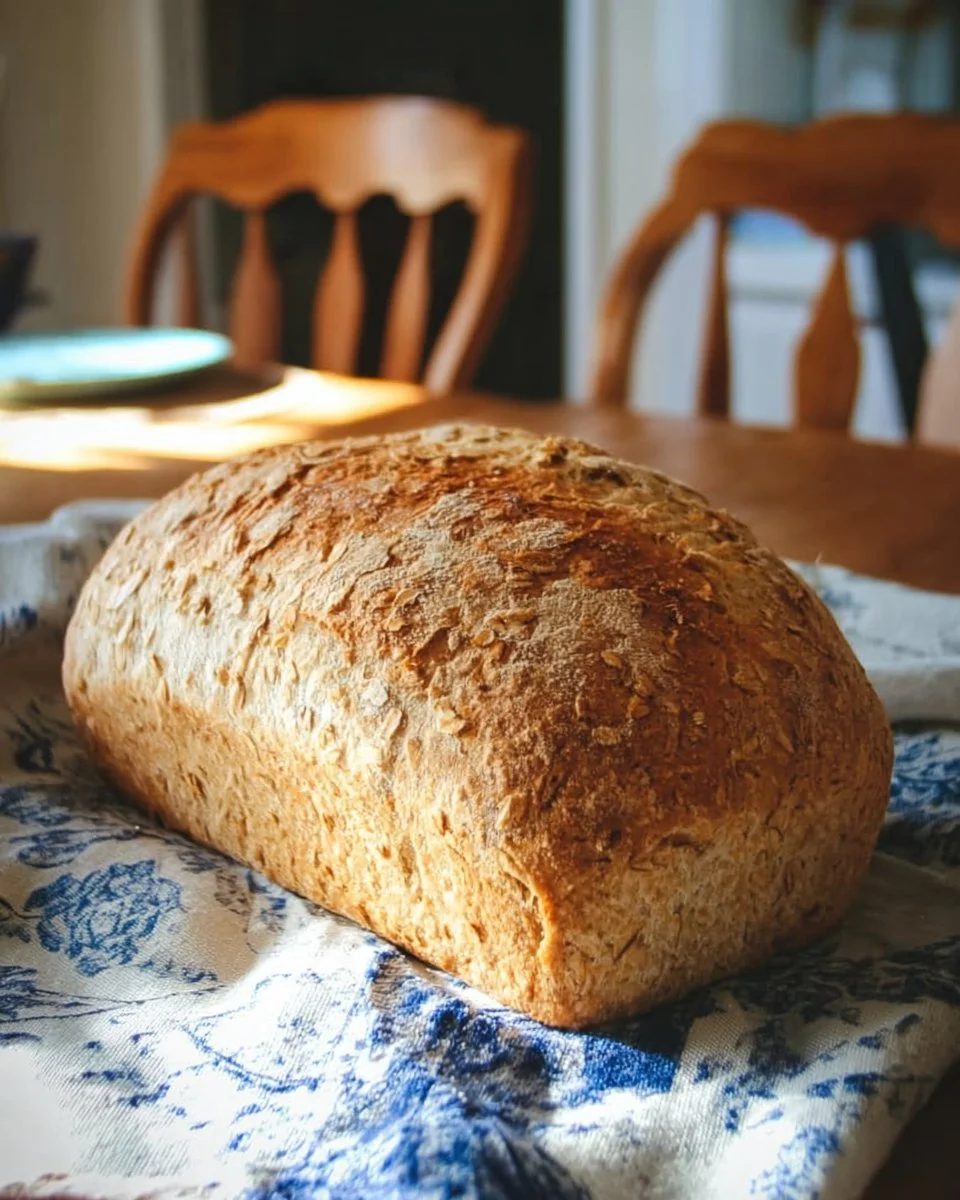
Have you ever walked into a bakery, inhaled the warm, sweet scent of freshly baked bread, and felt an indescribable rush of nostalgia? For me, oatmeal bread has always been that magical loaf that transmits love from the oven to the soul. Growing up, my grandmother made this delightful bread every Sunday, and the entire family would gather around the kitchen, eagerly awaiting the golden crust and soft, fluffy interior.
What makes oatmeal bread so special is its heartwarming blend of nutrients and flavors that comfort and nourish. Unlike some store-bought alternatives packed with preservatives, this homemade version celebrates simplicity with whole oats, nutty undertones, and a subtle sweetness. This recipe isn’t just another bread recipe; it’s a warm embrace, a ticket back to those cherished Sunday mornings filled with laughter and butter-slathered slices fresh from the oven.
As we explore this scrumptious oatmeal bread recipe, you will learn how to create a loaf that not only fills your kitchen with delightful aromas but also nourishes your loved ones. Let’s embark on this delicious journey together, shall we?
What Are Oatmeal Bread?
Oatmeal bread has its roots firmly planted in traditional baking, stemming from the desire to craft wholesome, hearty loaves that resonate with the human spirit. It beautifully marries the nutritional benefits of oats—packed with fiber and protein—with the comforting qualities of bread-making. This uniquely textured loaf often features a moist, tender crumb that is both soft and slightly chewy, thanks to the oats.
What sets oatmeal bread apart from more conventional varieties is the depth of flavor that the oats provide. It’s not just about sustenance; it’s about experience. You’ll find yourself drawn to its aromatic qualities; a hint of earthiness complemented by the soothing sweetness, making it the perfect companion for breakfast, lunch, or dinner. Whether you’re toasting it for breakfast with honey or sandwiching your favorite fillings for lunch, oatmeal bread is versatile enough to be enjoyed on any occasion.
Why You’ll Love This Recipe
Let me just say, you are going to fall head over heels for this homemade oatmeal bread. Here’s why you’ll want to tie on your apron and whip up a batch:
Wholesome Goodness: This bread is chock-full of fiber and nutrients from the oats, making it not only delicious but also good for you. Forget those store-bought loaves that are filled with additives—this is pure, clean baking.
Budget-Friendly: Homemade oatmeal bread is an absolute steal when compared to artisanal offerings at bakeries. With just a few pantry staples, you can create multiple loaves that save you money without sacrificing quality.
Customizable: This recipe opens the door to endless variations! Add in nuts, seeds, or dried fruits to tailor it to your tastes. Feeling adventurous? Try flavoring it with spices like cinnamon or nutmeg for those cozy fall vibes.
Ease of Preparation: Even if you’re just starting out in the baking world, this oatmeal bread is straightforward and forgiving! With a little patience, you’ll see your dough rise and come together beautifully.
Feel-Good Memories: The warmth that envelops your home while baking this bread is just a bonus. It’s a delightful reminder of my grandmother’s kitchen and can create new, treasured moments as you share it with family and friends.
Ingredients
For the Oatmeal Bread
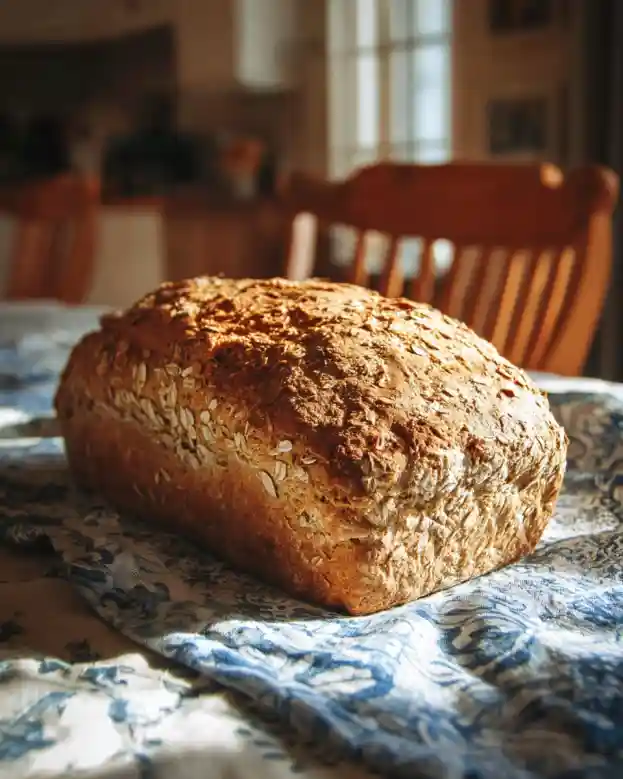
- 2 cups rolled oats (old-fashioned): Try to use high-quality organic oats for the best flavor and texture.
- 1 cup warm water (about 110°F): Make sure it’s comfortably warm to activate the yeast.
- 1 packet active dry yeast (2 ¼ teaspoons): A reliable brand like Red Star works beautifully.
- 2 tablespoons honey or maple syrup: Both add a touch of natural sweetness.
- 1 teaspoon salt: Adjust according to your taste.
- 1 ½ cups all-purpose flour: For a soft loaf, I recommend King Arthur Flour.
- ½ cup room temperature butter, softened: This will enrich the dough and add a touch of richness.
Prep Notes: Set out your butter beforehand for the right consistency. You’ll need it to blend smoothly into the dough.
Step-By-Step Instructions
Step 1: Activate the Yeast (10 minutes)
- In a small bowl, dissolve the honey in the warm water.
- Sprinkle in the yeast and let it sit until foamy (about 10 minutes) — this shows the yeast is alive and ready!
Chef’s Tip: If the mixture doesn’t foam, try again with fresher yeast.
Step 2: Prepare the Dough (10 minutes)
- In a large mixing bowl, combine the oats, salt, and flour.
- Once the yeast is activated, pour it into the dry ingredients along with the softened butter. Mix until a dough forms.
Visual Cue: The dough should be slightly sticky but manageable.
Step 3: Knead the Dough (8-10 minutes)
- Turn the dough onto a lightly floured surface and knead until smooth and elastic. This usually takes about 8-10 minutes.
Common Mistake to Avoid: Don’t over-flour your surface; too much flour will lead to a dry loaf.
Step 4: First Rise (1 hour)
- Place the dough in a greased bowl, cover it with a damp cloth, and let it rise in a warm spot until doubled in size (about 1 hour).
Step 5: Shape the Loaf (10 minutes)
- Punch down the dough, shape it into a loaf, and place it in a greased 9×5-inch loaf pan.
Step 6: Second Rise (30 minutes)
- Cover the pan with the cloth again and let the dough rise until it’s puffed up (about 30 minutes).
Step 7: Bake (30-35 minutes)
- Preheat the oven to 350°F (175°C) for 10-15 minutes before baking.
- Bake the loaf in the preheated oven until golden brown and sounds hollow when tapped (30-35 minutes).
Chef’s Tip: A thermometer inserted in the center should read 190°F (88°C) when done.
Step 8: Cool and Enjoy
- Let the bread cool in the pan for 10 minutes before transferring it to a wire rack to cool completely.
Expert Tips & Tricks
Perfect Texture: If you like a softer crust, brush the top of the loaf with melted butter right after it comes out of the oven.
Storage: Oatmeal bread can be stored at room temperature for 2-3 days wrapped in plastic. For longer storage, slice and freeze it for up to 3 months.
Make-ahead instructions: You can prepare the dough in advance and refrigerate it at the first rising stage for up to 24 hours. Allow it to come to room temperature before shaping.
Troubleshooting: If your bread hasn’t risen, check your yeast’s expiry date, or consider the water temperature during activation.
Reuse Fresh Scraps: If you have leftover dough, consider making small rolls from them for a fun snack.
Serving Suggestions
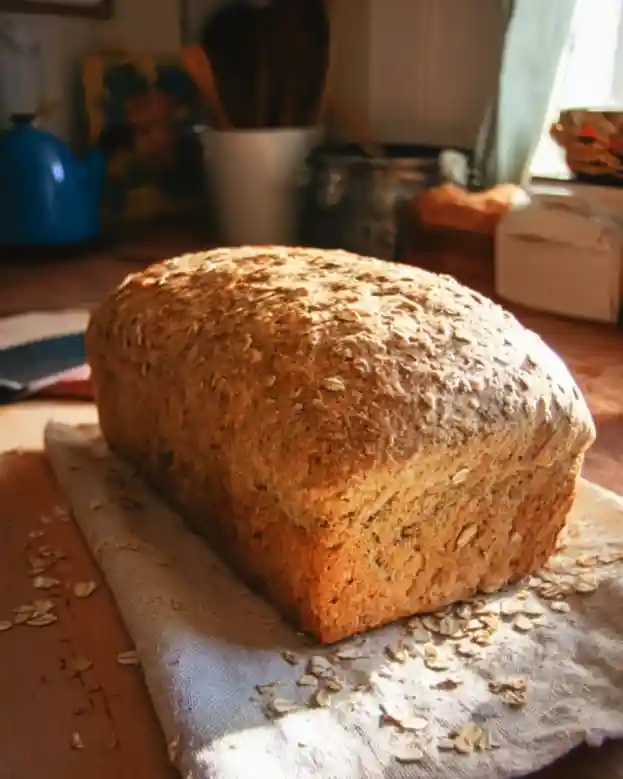
Oatmeal bread shines on its own, but it pairs beautifully with an array of accompaniments. Think creamy avocado slices topped with a sprinkle of sea salt or classic peanut butter and jelly for a quick lunch. It’s also fabulous toasted with a drizzle of honey or served alongside your favorite soup or salad. Presentation is key! A rustic wooden board with your golden-brown loaf sliced, a dish of softened butter, and a sprinkling of fresh herbs will make for an inviting centerpiece during brunch or family gatherings.
Variations & Substitutions
Add Fruits and Nuts: Feeling adventurous? Toss in a half cup of walnuts or dried cranberries for added texture and flavor.
Gluten-Free Option: Try using a 1:1 gluten-free baking flour blend if you’re avoiding gluten but still want to enjoy a hearty loaf.
Flavor Infusions: Experiment with spices—add a teaspoon of cinnamon or nutmeg for a warm twist, especially delightful during the fall season.
Nutrition & Storage Info
- Prep Time: 20 minutes
- Cook Time: 35 minutes
- Total Time: 1 hour 55 minutes
- Yield: 1 loaf (about 12 slices)
- Estimated Calories per Serving: 120
- Storage Instructions: Keep at room temperature wrapped for 2-3 days. Freeze for up to 3 months for longer storage.
FAQ Section
Can I use quick oats instead of rolled oats?
- While you can use quick oats, rolled oats provide a much nicer texture.
Why is my bread dense?
- It could be due to under-kneading; make sure to knead until smooth and elastic.
Can I eliminate the sugar?
- You can reduce or eliminate the sugar, but it might affect browning and flavor slightly.
What if I don’t have a loaf pan?
- You can shape it into a round boule and bake it on a baking sheet.
Is this recipe suitable for vegans?
- Yes! Simply substitute the butter for a plant-based equivalent and use maple syrup instead of honey.
How can I tell when my bread is done baking?
- The bread should be golden brown on top and sound hollow when tapped.
Can I knead using a mixer?
- Absolutely! Use a dough hook attachment for 8-10 minutes on medium speed.
Do I need to let it rise twice?
- Yes, the two rises develop flavor and texture in the bread.
Can I add seeds to the oatmeal bread recipe?
- Yes! Flax seeds or sunflower seeds are a fabulous addition.
How can I make it sweeter?
- For a sweeter loaf, increase the honey to 3 tablespoons or add brown sugar.
Conclusion
Oatmeal bread isn’t just a recipe; it’s a heartfelt tradition that transports you to cozy kitchens filled with love and laughter. With generous oats providing warmth and flavor, this easy-to-follow recipe will soon become a beloved ritual in your home. I encourage you to try it out, and I can’t wait to hear your thoughts! Have you put your own spin on it? Share your experience in the comments! And if you enjoy this recipe, be sure to check out my other heartwarming bread recipes on the blog—your kitchen will thank you!
Graving More Recipes?
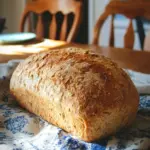
Homemade Oatmeal Bread
Ingredients
Method
- In a small bowl, dissolve the honey in the warm water.
- Sprinkle in the yeast and let it sit until foamy (about 10 minutes).
- In a large mixing bowl, combine the oats, salt, and flour.
- Once the yeast is activated, pour it into the dry ingredients along with the softened butter. Mix until a dough forms.
- Turn the dough onto a lightly floured surface and knead until smooth and elastic (8-10 minutes).
- Place the dough in a greased bowl, cover it with a damp cloth, and let it rise in a warm spot until doubled in size (about 1 hour).
- Punch down the dough, shape it into a loaf, and place it in a greased 9×5-inch loaf pan.
- Cover the pan with the cloth again and let the dough rise until it’s puffed up (about 30 minutes).
- Preheat the oven to 350°F (175°C) for 10-15 minutes before baking.
- Bake the loaf in the preheated oven until golden brown and sounds hollow when tapped (30-35 minutes).
- Let the bread cool in the pan for 10 minutes before transferring it to a wire rack to cool completely.